As winter approaches, it's crucial to understand how to weatherize an outdoor wheelchair lift. John Whitaker, a mobility solutions expert with over 15 years of experience, emphasizes, “A well-protected lift can make winter accessible for everyone.” For those who depend on these devices, ensuring they function properly in cold conditions is vital.
Preparing a wheelchair lift for harsh weather involves several key steps. Start by inspecting all mechanical parts for wear. Lubricate moving components to prevent freezing. Use a weather-resistant cover to shield the lift from snow and rain. These actions help maintain functionality and enhance safety through the colder months.
Neglecting to weatherize might lead to unexpected issues. Malfunctions in winter can disrupt mobility access. Therefore, understanding how to weatherize an outdoor wheelchair lift not only protects the equipment but also ensures consistent, safe usage. Proper care reflects our commitment to accessibility for all, fostering independence even in winter's chill.
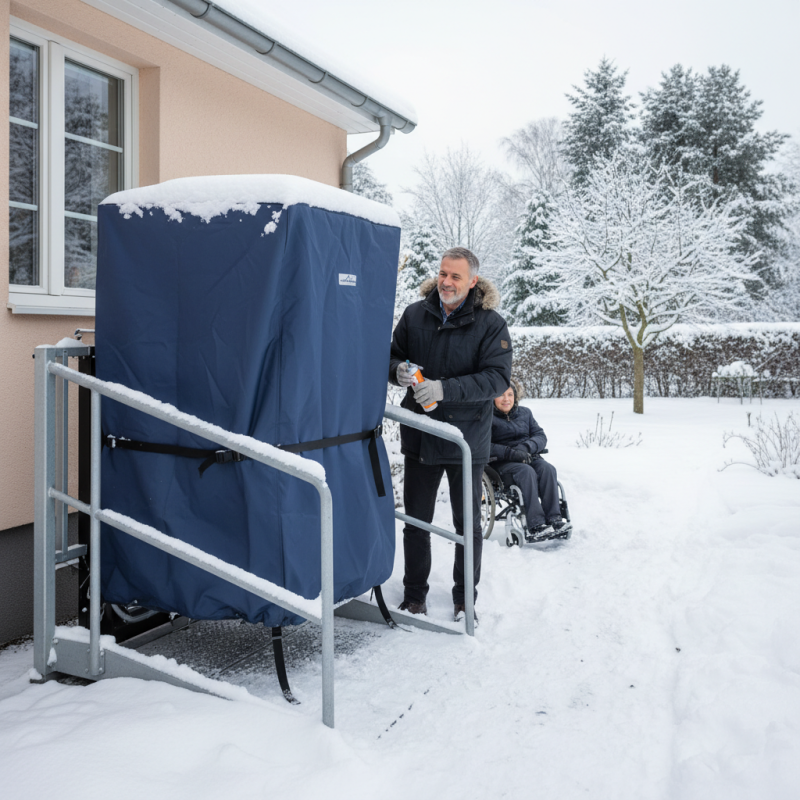
Understanding the importance of weatherizing your wheelchair lift cannot be overstated. Winters can be harsh, and exposure to cold, snow, and ice can damage the lift. Metal components can rust or freeze, leading to malfunction. Protecting your lift ensures it operates smoothly when you need it most.
Routine maintenance is crucial. Cleaning the lift regularly keeps it free from debris that can trap moisture. A good inspection before winter can help identify weak spots. Don’t forget to apply weather-resistant coatings to exposed metal parts. These simple steps can make a significant difference.
Reflect on your current setup. Does your lift struggle during winter months? If so, it might need additional covers or insulation. A good cover can shield it from ice and snow accumulation. Sometimes, the smallest adjustments can yield the best results for reliable winter use.
When winter comes, weatherizing your outdoor wheelchair lift is crucial. Using the right tools ensures safety and functionality. Essential materials include weather-resistant covers, sealants, lubricants, and non-slip mats. A well-weatherized system can significantly reduce wear and tear. According to industry reports, proper maintenance can extend the lifespan of outdoor lifts by up to 30%.
Consider applying a weather-resistant cover to protect the lift from snow and ice buildup. Heavy snow can immobilize a lift. Snow accumulation may also lead to rust and other damage. Use heavy-duty sealant on any exposed metal parts. This prevents moisture from causing corrosion.
Tips: Check the lift's battery life before winter. Cold temperatures can impact battery performance. Regularly lubricate moving parts to ensure smooth functionality. Testing your lift regularly can prevent unexpected breakdowns. Create a checklist to monitor wear and maintenance needs. It is easy to overlook these details, especially during busy winter months. Keep your lift in top condition, so it remains reliable all season long.
When winter comes, it’s essential to inspect your outdoor wheelchair lift. Regular maintenance ensures safety and reliability. Start by checking the lift’s components. Look for wear and tear on cables and pulleys. These parts are crucial for functionality. Pay close attention to any rust or corrosion. A small issue can lead to significant problems.
Inspect the battery, too. Cold temperatures can affect its performance. Ensure it’s charged and free from any damage. Consider the platform and railings. Look for any cracks or breaks. These can compromise safety. It might be tempting to overlook small cracks, but they can worsen.
Don’t forget the control panel. Test all buttons and switches. A malfunctioning control panel can render the lift useless. Additionally, examining the surrounding area is vital. Ensure snow and ice are cleared away. These obstacles can impede movement and create hazards. Investing time in this inspection can prevent larger issues down the road.
To ensure your outdoor wheelchair lift functions well during winter, it's crucial to protect its electronic and mechanical components. Harsh winter conditions can lead to malfunctions if not properly addressed. Begin by inspecting the lift for any visible damage or wear. Corroded parts can disrupt functionality, increasing risks.
Protective measures include covering the lift with a weather-resistant tarp. This barrier shields it from snow and ice build-up. Make sure to secure it tightly to prevent flapping in the wind. Apply a waterproof sealant on electrical connectors to prevent moisture intrusion. This is often overlooked but is essential in preserving the lift's control system.
Regular maintenance is key. Inspect the lift before heavy snow and wind, cleaning away any debris. Lubricate moving parts to reduce wear and enhance performance. Adjustments may be necessary, especially after severe weather. Following these tips will help ensure your lift remains functional and safe during winter’s extremes.
Winter can be harsh on outdoor wheelchair lifts. Regular maintenance is essential to ensure they function correctly. Start by inspecting the lift for any debris or ice accumulation. Snow and ice can obstruct the lift's movement, leading to potential malfunctions. Clear the area around the lift regularly to prevent this. If you notice any cracks or corrosion, take action immediately. Small issues can escalate quickly in colder temperatures.
Next, lubricate the lift's moving parts. Use a weather-resistant lubricant designed for outdoor equipment. This prevents rust and keeps everything running smoothly. It might be easy to overlook this step, but neglecting it can lead to bigger problems. Ensure all electrical components are covered and protected from moisture. Wet electrical parts can cause failures, leaving you stranded when you need the lift most.
Check the battery regularly too. Cold weather can affect battery performance. Make sure it is charged and functioning well. It may be worth investing in a battery heater for extreme climates. Remember, maintaining your lift is not just about convenience; it is a matter of safety. Taking these steps can help avoid dangerous situations during winter months.
| Maintenance Task | Frequency | Tools Required | Notes |
|---|---|---|---|
| Inspect Lift Mechanism | Monthly | Multimeter, Lubricant | Check for any unusual sounds or resistance |
| Clean Components | Bi-weekly | Cleaning Cloth, Mild Detergent | Remove dirt and debris to prevent rust |
| Check Battery Condition | Monthly | Battery Tester | Ensure battery is fully charged and connections are clean |
| Inspect Weatherproofing | Before Winter | Weather Stripping, Caulking Gun | Replace any worn seals to prevent moisture ingress |
| Adjust Safety Features | Before Winter | Screwdriver, User Manual | Test all emergency stops and alarms |
: Weatherizing protects the lift from snow and ice, preventing malfunctions and damage.
Key materials include weather-resistant covers, sealants, lubricants, and non-slip mats for safety.
Apply heavy-duty sealant on exposed metal parts to keep moisture away and prevent corrosion.
Inspect for ice or debris, check battery life, and lubricate moving parts regularly to ensure functionality.
Small issues like corrosion can escalate in cold temperatures, causing significant breakdowns or safety hazards.
Cold temperatures can reduce battery performance, making regular checks crucial for reliability.
Clear the area regularly to prevent obstructions, which can lead to malfunctions during operation.
Regularly lubricate moving parts with weather-resistant products to keep them functioning properly.
Yes, choose a weather-resistant lubricant designed for outdoor equipment to prevent rust.
Many people forget to regularly check all electrical components, which can lead to failures when needed.
When considering how to weatherize an outdoor wheelchair lift for winter use, it's crucial to understand the significance of proper preparation. Weatherizing your lift not only ensures safe operation in harsh conditions but also extends the lifespan of the equipment. Essential tools and materials such as weather-resistant covers and lubricants are necessary for effective preparation.
A comprehensive step-by-step inspection of the lift's components is vital, focusing on protective measures for both electronic and mechanical parts. Regular maintenance tips during the winter months can further enhance your lift's reliability, helping to prevent potential issues caused by snow, ice, and freezing temperatures. By following these guidelines on how to weatherize an outdoor wheelchair lift, users can ensure a smooth and safe experience throughout the winter season.

Samar Lift