How to Safely Operate a China Top Articulating Boom Lift?

Time:2026-09-17 Author:Oliver
0%

Operating a China top articulating boom lift safely requires more than turning the key and raising the platform. It demands training, careful inspection, and disciplined decisions at every stage. This guide explains how to operate an articulating boom lift safely, from pre-start checks to controlled shutdown.

Before entering the platform, inspect the tires, controls, guardrails, emergency stop, hydraulic hoses, and harness anchor point. Look for oil leaks, damaged cables, loose bolts, or warning labels that are difficult to read. Check the platform capacity and confirm that tools, workers, and materials remain within the rated limit. Small oversights can create serious risks.

Review the manufacturer’s manual for the exact model. Controls, alarms, and emergency systems may differ between machines, even within the same China top articulating boom lift range. Confirm ground strength, overhead clearance, wind conditions, and nearby traffic before positioning the equipment. Keep the boom away from power lines and other electrical hazards.

Move slowly. Use smooth control inputs. Avoid sudden swinging or driving across uneven surfaces with the boom raised. A trained ground observer can help identify blind spots, but the operator remains responsible for each movement. Communication must stay clear.

Do not rely on confidence alone. Experienced workers can still become distracted, rushed, or overly familiar with routine tasks. Stop when conditions change. Recheck the plan.

Safe operation is not a single action. It is a repeated process of inspection, communication, controlled movement, and honest risk assessment. A practical checklist helps, but it cannot replace sound judgment or proper training.
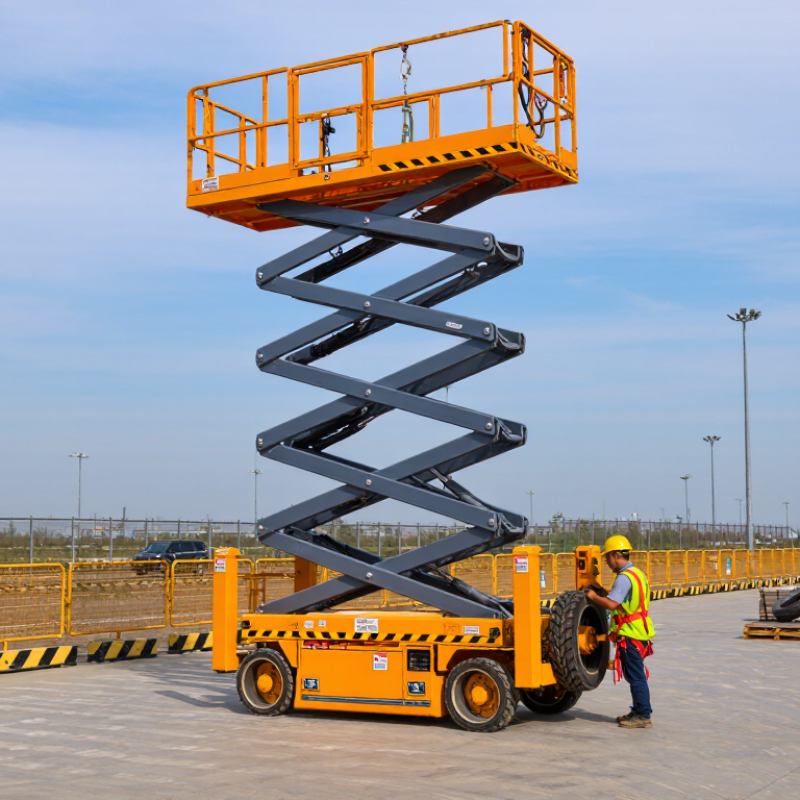
How to Safely Operate a China Top Articulating Boom Lift?

Confirm GB/T 25849, EN 280, SWL, and 12.5 m/s Wind Limits

Operating a top-tier Chinese articulating boom lift safely starts with documented compliance, not appearance. Check that the machine’s certificate identifies the applicable GB/T 25849 and EN 280 requirements. Confirm serial numbers, inspection dates, emergency controls, and rated capacity before entering the platform.

IPAF’s Global Safety Report 2024 recorded 118 MEWP-related fatalities across 27 countries in 2023. Falls, electrocution, overturning, and entrapment remain recurring hazards. HSE’s 2023/24 statistics also reported 50 fatal falls from height in Great Britain. These figures make a simple pre-start inspection essential. Test the tilt alarm, brakes, steering, emergency lowering, guardrails, and harness anchor point. Check the SWL plate carefully. Include operators, tools, materials, and stored water in the load calculation. A crowded platform can exceed SWL before work begins.

Wind deserves constant attention. EN 280 commonly uses 12.5 m/s as the outdoor operating limit, but the machine’s plate and manual control. Measure wind near platform height, not beside the trailer. Stop and lower the boom when gusts approach the stated limit. Never rely on a calm ground-level feel. A tall wall can create sudden turbulence. I have seen crews focus on reach while ignoring the boom’s side loading. That mistake deserves reflection. Record wind readings, ground conditions, overhead risks, and rescue arrangements in the site briefing. The supervisor should stop work when conditions change.

Complete Pre-Start Checks on Tires, Guardrails, Alarms, and E-Stops

How to Safely Operate a China Top Articulating Boom Lift?

Before starting an articulating boom lift, walk around it slowly. Check each tire for cuts, bulges, exposed cords, and uneven wear. Confirm tire pressure and inspect wheel nuts for looseness. Look underneath for fresh hydraulic oil, damaged hoses, or loose parts. Review the operator manual and site conditions before climbing aboard. A stable surface matters more than a quick start.

Inspect the platform guardrails, midrails, toe boards, and entry gate. They must be secure, complete, and free from bent sections. Test the platform controls only after confirming the area is clear. Check the emergency stop buttons at ground level and inside the platform. Press each button, then verify that all powered functions stop. Release the button and confirm normal operation returns. Never assume a silent alarm is harmless.

Test travel, steering, lifting, lowering, and platform rotation at low speed. Confirm the tilt alarm, motion alarm, overload warning, and descent alarm work correctly. Keep both hands away from pinch points during testing.

I once rushed a pre-start inspection and missed a damaged gate latch. That mistake changed my routine. Not every defect is obvious. If any alarm, tire, rail, or E-stop behaves strangely, park the machine, isolate it, and report it to a qualified technician before use.

Position on Firm Ground Within the Manufacturer’s 5% Grade Limit

Safe operation of a China top articulating boom lift starts with ground selection. Park only on firm, compacted ground that can support the machine, its load, and dynamic movement. The surface should remain within the manufacturer’s 5% grade limit, equal to about 2.9 degrees. That limit is not a target for convenience. It is a maximum operating condition stated for specific configurations.

Check the slope with the machine’s level indicator or a reliable digital inclinometer. Do not judge it by eye. A driveway may appear flat while water has weakened the soil underneath. Avoid soft clay, loose gravel, hidden voids, trench edges, and recently filled ground. Inspect the travel path before positioning. A small rut can change the machine’s attitude after one wheel moves through it.

Apply the parking brake and follow the operator manual for wheel chocks, stabilizers, or other approved equipment. Never place improvised blocks under tires. Keep the boom stowed while positioning, and confirm that the chassis remains inside the permitted grade range. A trained operator should also check overhead hazards, wind conditions, tire condition, and platform capacity before elevation.

A rushed setup feels efficient. It is not. Even experienced operators can trust an attractive surface too quickly. Recheck the ground after rain, loading activity, or any machine movement. If the reading exceeds 5%, relocate to a level area instead of trying to correct the angle from the platform.

Safe positioning principle: Place the articulating boom lift on firm, level ground whenever possible. A 5% grade equals approximately 2.86° using the relationship angle = arctangent(grade ÷ 100). Always follow the specific manufacturer’s operating manual, verify ground conditions, and never exceed the stated grade limit.

Operate Within Rated SWL, Harness Requirements, and Exclusion Zones

Before operating a China top articulating boom lift, inspect the platform, controls, tires, guardrails, and emergency systems. Check the ground for soft soil, hidden edges, slopes, and overhead obstructions. Confirm the machine’s rated SWL in the operator manual. SWL includes workers, tools, materials, and any attachments. A small tool bag still counts.

Never exceed the rated SWL, even briefly. Boom movement can create extra dynamic loads. Keep materials secured inside the platform. Do not climb the guardrails or use boxes to gain height. Each occupant should wear a suitable full-body harness. Connect the lanyard only to the designated anchor point. The lanyard length must suit the platform and fall-clearance requirements. A harness is not permission to work carelessly.

Create an exclusion zone around the lift before raising the boom. Use barriers, signs, and a trained spotter where pedestrians or vehicles may pass. Estimate the boom’s full working envelope, not just the platform’s position. Watch for falling objects, doors, cranes, and electrical hazards. Stop immediately if wind, visibility, or ground conditions become uncertain. I have seen operators focus on the basket and miss people below. That mistake is easy to repeat. Recheck the area after every repositioning.

How to Safely Operate a China Top Articulating Boom Lift? - Operate Within Rated SWL, Harness Requirements, and Exclusion Zones
Safety Dimension Required Data or Limit Safe Operating Practice Verification Before and During Use
Rated Safe Working Load (SWL) Never exceed the rated platform load shown on the machine data plate or manufacturer’s manual. The SWL normally includes the operator, tools, materials, and accessories. Calculate the total load before entry: operator weight + tools + materials + approved attachments. Do not assume that a larger platform has a higher SWL. Check the data plate, load chart, platform decals, and operating manual. Stop work if the rated capacity is missing, unreadable, or inconsistent.
Load Distribution Keep the load within the platform’s permitted distribution and avoid concentrated point loads unless specifically approved. Place heavy items on the platform floor, secure loose materials, and keep the load near the center. Do not stack materials above guardrail height. Confirm that doors, gates, tools, and materials are fully secured before elevating or traveling.
Platform Occupancy Only the number of occupants permitted by the machine rating and applicable regulations may enter the platform. Do not allow unauthorized passengers, climbing on guardrails, or using ladders, boxes, or improvised platforms to gain extra height. Verify the occupancy limit on the data plate and brief every occupant on access, emergency lowering, and fall-protection rules.
Operator Competence Operation should be limited to trained, authorized, and medically fit personnel familiar with the specific machine model. Provide theory and practical training covering controls, stability, hazards, emergency procedures, inspection, and site rules. Record operator authorization and confirm model-specific familiarization before the first shift or after a significant change of equipment.
Pre-Use Inspection Inspect the lift before each shift and after any event that could affect safe operation. Check tires or tracks, steering, brakes, alarms, emergency stop, emergency lowering, guardrails, gate, platform floor, hydraulic hoses, pins, welds, controls, and visible structural damage. Document defects. Tag out the equipment and report it immediately if a safety-critical defect is found; do not operate until repaired and released.
Harness Requirement Use a full-body harness with a suitable lanyard or self-retracting lifeline where required by the risk assessment, local law, or the equipment manual. Connect only to the designated platform anchorage point. Keep the connection short enough to prevent ejection while allowing normal work movement. Inspect the harness, connector, lanyard, and anchorage before use. Do not connect to guardrails, controls, nearby structures, or unauthorized points.
Fall Protection Guardrails and gates must remain installed, closed, and in good condition. A harness does not permit climbing or sitting on guardrails. Keep both feet on the platform floor. Never lean or reach outside the guardrail to increase working height or horizontal reach. Stop work if the gate does not latch, a guardrail is damaged, or the anchorage point is deformed or unsecured.
Ground Conditions The ground must support the machine’s maximum imposed load and remain stable throughout the operation. Assess soft ground, voids, trenches, slopes, shoulders, covers, recently backfilled areas, and underground services. Use engineered ground protection where necessary. Confirm the manufacturer’s limits for slope, leveling, and travel. Do not operate on ground that is wet, undermined, or visibly unstable.
Wind and Weather Do not exceed the maximum wind speed specified by the equipment manufacturer. Many outdoor boom lifts are limited to approximately 12.5 m/s (28 mph), but the actual limit varies by model. Reduce exposure to wind, stop when gusts or weather conditions affect stability, and never use sheets, panels, or other materials that increase wind area unless approved. Check the site weather forecast and an on-site wind reading where practical. Follow the lower limit stated by the manufacturer or site rules.
Overhead Power Lines Maintain the minimum approach distance required by local electrical regulations. Where the applicable rule is 10 ft, keep at least 3.1 m from energized lines up to 50 kV; greater distances are required for higher voltages. Identify, isolate, de-energize, or guard electrical lines before work. Treat lines as energized unless the utility confirms otherwise through an approved process. Measure the closest possible clearance of the boom, platform, load, and personnel—not only the machine base. Use a dedicated spotter where required.
Exclusion Zone at Ground Level Establish a controlled area around the lift based on the machine footprint, boom sweep, falling-object potential, traffic exposure, and site risk assessment. Use barriers, cones, signs, and a banksman or spotter where people or vehicles could enter the work area. Keep non-essential persons outside the zone. Review the zone whenever the boom moves, the work height changes, pedestrian routes change, or overhead hazards are identified. There is no single universal radius for every job.
Falling-Object Control Tools and materials must be secured against falling from the platform. The exclusion zone must cover foreseeable drop and rebound areas. Use tool lanyards suitable for the task, closed containers, toe boards, and approved material restraints. Never throw objects from the platform. Inspect tool connections and storage before elevation. Suspend work below the platform when objects could fall onto people or property.
Travel with Platform Elevated Travel only when permitted by the machine manual and within the specified travel configuration and surface limits. Lower the platform when practical, travel slowly, keep the route clear, and use a spotter where visibility is restricted. Avoid sudden steering, braking, or direction changes. Check overhead clearance, ground condition, pedestrian routes, gradients, and doorways before moving. Keep the boom within the permitted travel envelope.
Positioning Near Edges and Structures Maintain a safe distance from excavations, drop-offs, walls, vehicles, structures, and other plant according to the risk assessment and manufacturer limits. Do not use the boom to push, pull, lift, drag, or brace against structures. Do not position the machine where a collapse, collision, or entrapment could occur. Use a spotter in blind areas and confirm that the machine’s tail swing and boom path are clear before slewing or articulating.
Emergency and Rescue Plan A rescue method must be available before work starts, including ground controls, emergency lowering, communication, and access for emergency services. Do not rely only on the operator to self-rescue. Keep the ground control station accessible and ensure responsible personnel know how to use it safely. Test emergency communication and confirm that rescue personnel understand the machine’s emergency functions without creating additional hazards.
Shutdown and Parking Park in a designated safe area, away from traffic, unstable ground, overhead hazards, and unauthorized access. Lower the platform, place controls in neutral, apply the parking brake, switch off the machine, remove the key where required, and charge or refuel only in the approved area. Report damage, unusual noises, fluid leaks, alarms, or control faults before the next shift. Secure the machine against unauthorized use.
Stop-Work Conditions Stop immediately for overload, loss of stability, unexpected ground movement, electrical contact or near miss, excessive wind, failed safety device, collision risk, or uncontrolled personnel entry. Lower the platform if safe to do so, isolate the machine, protect the area, and notify the responsible supervisor. Do not continue until the hazard is controlled. Record the incident or near miss and complete a documented inspection before returning the lift to service.
Regulatory and Manual Compliance Apply the equipment manufacturer’s instructions together with the occupational-safety, electrical, lifting, and work-at-height requirements applicable at the work location. Use the most restrictive applicable limit when requirements differ. Never replace the machine’s rated limits with estimates or general industry assumptions. Always verify final operating limits against the actual data plate, current manual, site risk assessment, and local regulations.

Lower, Isolate, Inspect, and Document Defects After Each Work Cycle

How to Safely Operate a China Top Articulating Boom Lift?

Lower, Isolate, Inspect, and Document Defects After Each Work Cycle

After every work cycle, lower the articulating boom onto stable, level ground. Keep the platform clear of tools, materials, and loose parts. Do not rush. Stop the machine using the normal shutdown procedure, then isolate the power as directed in the operator’s manual. Remove the key and prevent unauthorized use. A trained operator should confirm that stored energy and moving components cannot create unexpected movement.

Inspect the guardrails, platform gate, boom pins, hydraulic hoses, fittings, tires, and control switches. Look for fresh oil, cracked welds, loose bolts, damaged cables, and unusual wear. Test alarms and emergency controls only in a safe area. Small defects can worsen during the next lift. A slow hydraulic seep may seem harmless, but it can reduce control or contaminate the work surface. I have seen inspections become rushed near shift changes; that is when useful details are often missed.

Document every abnormal finding before leaving the machine. Record the exact location, visible symptoms, operating hours, weather conditions, and inspection time. Add clear photographs when possible. Mark the equipment according to the site procedure, and report safety-critical defects to a qualified maintenance person. Do not return the lift to service until an authorized inspection confirms it is safe. Recheck the same area after repair. Machines can look ready while a hidden fault remains.

FAQS

What documents should be checked before using an articulating boom lift?

Check the compliance certificate, serial number, inspection date, emergency controls, and rated capacity. The documents must match the machine. Do not trust appearance alone.

What should a pre-start inspection include?

Test the tilt alarm, brakes, steering, emergency lowering, guardrails, and harness anchor point. Inspect tires and platform controls. Small faults matter.

What does SWL include?

SWL includes workers, tools, materials, attachments, and stored water. A tool bag still counts. A crowded platform can exceed capacity before lifting.

What wind limit should operators observe outdoors?

Many machines use 12.5 m/s as an outdoor limit, but the plate and manual control. Measure wind near platform height. Ground level can feel calm.

What should happen when wind approaches the stated limit?

Stop work and lower the boom when gusts approach the permitted limit. Tall walls can create sudden turbulence. Reach is not everything.

How level must the ground be?

Use firm, compacted ground within the manufacturer’s 5% grade limit. That equals about 2.9 degrees. Treat it as a maximum, not a target.

How can operators check whether the ground is safe?

Use a level indicator or reliable digital inclinometer instead of judging by eye. Inspect for soft clay, loose gravel, voids, trench edges, and recently filled ground. Rain can change everything.

What safety controls are needed around the lifting area?

Create an exclusion zone with barriers and signs before raising the boom. Use a trained spotter near pedestrians or vehicles. Check the full boom envelope, not only the platform.

What harness practices are required in the platform?

Each occupant should wear a suitable full-body harness connected to the designated anchor point. Choose a lanyard suited to fall-clearance needs. A harness does not replace care.

Conclusion

How to operate an articulating boom lift safely begins with confirming that the machine meets applicable GB/T 25849 and EN 280 requirements, while checking its safe working load (SWL) and the stated wind limit of 12.5 m/s. Before starting, inspect the tires, guardrails, controls, warning alarms, emergency stop system, hydraulic lines, and other visible components. Operators should wear the required fall-arrest harness and ensure all personnel understand the controls and emergency procedures.

Position the lift on firm, level ground and remain within the manufacturer’s maximum 5% grade limit. Keep the platform load, tools, and occupants within the rated SWL, and establish exclusion zones to protect people below and around the operating area. After each work cycle, lower the platform fully, isolate the machine, inspect it for damage or abnormal operation, and record any defects before the next use. Any unsafe condition should be reported and corrected by qualified personnel before operation resumes.

Oliver

Oliver

Oliver is a seasoned marketing professional with a wealth of expertise in driving brand awareness and engagement. With a deep understanding of our company's product offerings, he consistently delivers high-quality content that enriches our professional blog. His insights not only shed light on......