Residential elevators are a valuable convenience in modern homes. However, they are also a source of significant energy consumption. Learning how to reduce energy consumption in residential elevators is essential. Homeowners today seek sustainable living solutions. This need is fueled by rising energy costs and environmental concerns.
Innovative technologies and simple changes can lead to substantial savings. Smart controls and energy-efficient designs are just a few examples. Additionally, regular maintenance can improve performance and reduce waste. Homeowners often overlook these aspects, leading to higher energy bills.
Understanding energy usage patterns in elevators can help homeowners make informed decisions. By implementing specific strategies, residents can contribute to sustainability efforts. It's important to recognize that every small step counts. As we explore ten practical methods, the focus will remain on effective and achievable solutions.
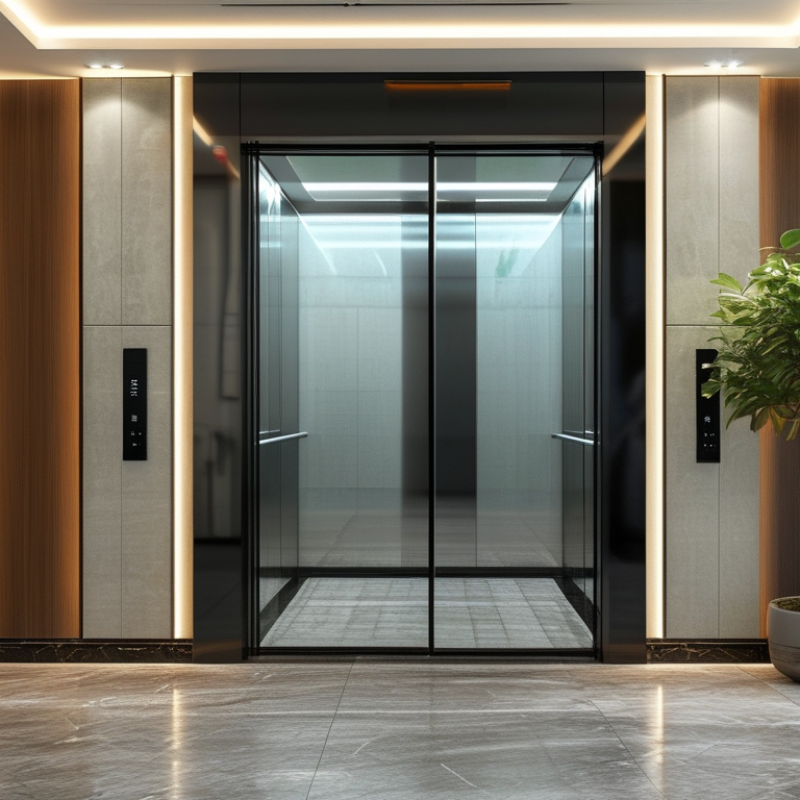
Energy consumption in residential elevators is often overlooked. However, it can significantly impact household utility bills. According to the U.S. Department of Energy, elevators can account for approximately 5% of a building's total energy usage. This figure can increase if the elevator system is outdated or poorly maintained.
Understanding how elevators consume energy is crucial for reducing costs. Factors like motor efficiency, usage patterns, and standby modes play key roles. For instance, traditional hydraulic elevators generally use more energy than modern gearless systems. A study by the American Society of Civil Engineers highlights that upgrading to energy-efficient solutions can reduce consumption by up to 40%.
Moreover, habits matter. Overusing the elevator for short trips wastes energy. Encouraging residents to take stairs for lower floors can lessen overall usage. Regular maintenance also ensures that systems operate optimally, avoiding unnecessary energy drain. As awareness grows, exploring these energy-saving practices becomes essential for sustainable living.
When it comes to energy-efficient elevator technology, several advancements can significantly reduce energy consumption in residential settings. One effective approach is the integration of regenerative drive systems. These systems capture energy generated during descents and redirect it for other uses, often reducing electricity needs by 30%. This technology presents a practical solution for multi-story buildings.
LED lighting in elevators also plays a crucial role in energy conservation. Traditional bulbs consume more energy and generate heat, leading to increased cooling costs. Switching to LED lights drastically lowers energy use, while providing better illumination. It's a simple upgrade that offers notable benefits.
Many residential elevators still use outdated systems. Retrofitting existing elevators with high-efficiency motors can lead to increased reliability and lower energy costs. Not all homeowners prioritize these upgrades, often overlooking potential savings. A focus on continuous monitoring and improvements may be necessary to achieve true efficiency.
Utilizing regenerative drives in residential elevators can significantly reduce energy consumption. These systems convert kinetic energy generated during elevator descent into electrical energy, which can be reused. Research shows that elevators equipped with regenerative drives can achieve energy savings of 30-50%. This is a compelling reason for homeowners and property managers to consider these innovative systems.
Implementing regenerative drives helps to lower electricity bills and reduce carbon footprints. It’s essential to choose the right model. Work with professionals to ensure compatibility with existing systems. Additionally, regular maintenance is crucial for optimum energy efficiency. Regular checks can help avoid unexpected breakdowns that lead to energy waste.
Additionally, consider utilizing smart controls. These controls optimize elevator usage based on demand. They prevent unnecessary trips, saving more energy. Investing time to analyze usage patterns can yield surprising insights. With increasing energy costs, every step taken now translates to long-term savings and sustainability.
Regular maintenance is crucial for ensuring the efficiency of residential elevators. Neglecting maintenance can lead to increased energy consumption. For example, dirty components can cause the system to work harder, using more energy. Regularly cleaning and lubricating parts can prevent these issues.
Inspecting the elevator’s motor and drive system is another important practice. This can identify potential problems before they escalate. An inefficient motor consumes extra energy, translating to higher utility bills. Frequent checks can highlight wear and tear, allowing for timely repairs.
Elevator control systems also benefit from routine evaluation. Outdated settings can lead to unnecessary energy usage. Upgrading software and programming can optimize performance. Monitoring energy consumption regularly can help identify patterns and potential inefficiencies. Addressing these can push the system towards greater efficiency.
| Method | Description | Estimated Energy Savings (%) | Frequency of Implementation |
|---|---|---|---|
| Regular Inspections | Conduct regular inspections to ensure optimal performance and identify issues | 15% | Monthly |
| Upgrade to LED Lighting | Replace incandescent bulbs with energy-efficient LED lighting | 20% | Once |
| Install Energy-Efficient Drive Systems | Utilize variable frequency drives (VFDs) for smoother operation | 25% | Once |
| Utilize Standby Mode | Implement standby mode when the elevator is not in use | 10% | Ongoing |
| Improve Door Mechanisms | Use automatic doors with efficient opening/closing mechanisms | 12% | Once |
| Regular Lubrication | Ensure all moving parts are well-lubricated to reduce friction | 5% | Monthly |
| Optimize Load Capacity | Train users to avoid overloading the elevator | 15% | Ongoing |
| Install Regenerative Drives | Harvest energy from elevator movements to reduce overall consumption | 30% | Once |
| Educate Residents | Inform residents about energy-saving practices | 5% | Ongoing |
| Regular Efficiency Audits | Conduct annual audits to evaluate performance and find areas for improvement | 10% | Annually |
User behavior significantly impacts energy consumption in residential elevators. Small changes in daily habits can lead to noticeable reductions in energy usage. For example, encouraging residents to use stairs for short distances or prioritizing elevator use during peak hours can save electricity.
Tips for optimizing energy usage:
Be mindful of load weight. Heavier loads require more energy to move. Residents should limit the number of trips by coordinating their schedules. For instance, place grocery bags in one trip instead of multiple journeys. This simple adjustment can help lower overall energy demand.
Another suggestion is to promote awareness of elevator settings. Many elevators have options for energy-saving modes. Users should familiarize themselves with these settings. Using standby mode when the elevator is not in high demand can greatly reduce power consumption. Keeping the elevator clean and well-maintained is also essential. Regular service ensures efficient operation and prevents energy waste.
Even minor changes in user behavior can make a significant difference. Encouraging residents to think critically about their elevator usage is key. Reflection on daily habits can lead to more sustainable choices.
: Residential elevators can account for about 5% of a building's total energy usage.
Motor efficiency, usage patterns, and standby modes all play key roles in energy usage.
Upgrading to energy-efficient models can reduce energy consumption by up to 40%.
Overusing elevators for short trips can waste energy. Taking stairs is often a better choice.
Regenerative drives capture energy during descents and can reduce electricity needs by 30%.
LED lights consume less energy and produce less heat compared to traditional bulbs.
Retrofitting with high-efficiency motors can improve reliability and decrease energy costs.
Smart controls optimize elevator trips based on demand, preventing energy-wasting unnecessary trips.
Regular maintenance ensures elevators operate optimally, reducing unexpected energy waste.
Continuous monitoring helps identify energy-saving opportunities that are often overlooked.
Reducing energy consumption in residential elevators is essential for both environmental sustainability and cost savings. Understanding energy consumption patterns is the first step. Implementing energy-efficient elevator technology, such as advanced control systems and LED lighting, significantly cuts down on unnecessary energy use. Additionally, utilizing regenerative drives can capture energy generated during descent, converting it for reuse, further enhancing efficiency.
Regular maintenance practices play a crucial role in ensuring elevators operate at optimal performance levels, minimizing energy waste. Finally, educating users about energy-saving behaviors, such as minimizing unnecessary trips and using elevators during off-peak times, can also contribute to lower energy consumption. By following these strategies, homeowners can effectively learn how to reduce energy consumption in residential elevators, supporting a greener future.

Samar Lift