Elevators in homes are increasingly popular. According to industry reports, about 30% of modern homes now include residential elevators. However, owners often face concerns about performance. One common issue is noise. Homeowners frequently ask, "Why is my home elevator making weird noises?" Understanding the causes is essential for maintenance and safety.
Weird noises can indicate various problems. They could stem from misalignment, lack of lubrication, or even issues with the control system. The National Association of Elevator Contractors suggests regular inspections. This practice can prevent minor issues from evolving into major repairs. Ignoring the sounds can lead to costly fixes down the line.
A proper diagnosis requires expertise. Professional technicians can pinpoint underlying issues that may not be apparent. Regular maintenance is key to ensuring a quiet, efficient operation. Homeowners must be attentive to unusual noises. Each sound can tell a story about your elevator's health and performance.
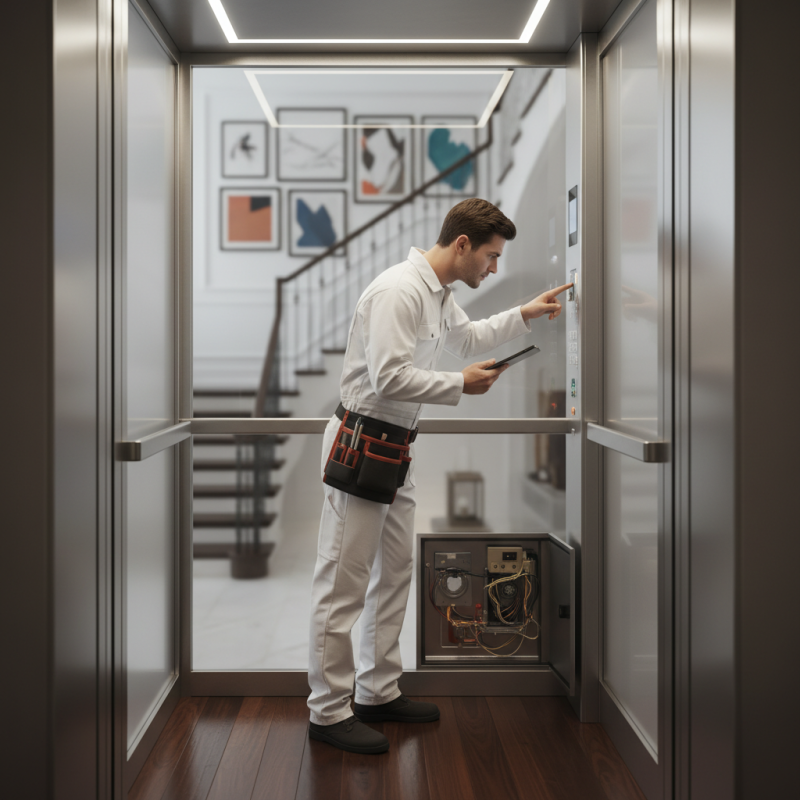
Hearing strange noises from your home elevator can be alarming. Often, these sounds stem from specific sources. One common culprit is the motor. If the motor is not functioning correctly, it may emit grinding or whining noises. These issues can arise from wear and tear over time. Regular maintenance can prevent severe damage and ensure smooth operation.
Another source of noise could be the pulleys. Worn-out or misaligned pulleys can create squeaks or screeches when the elevator moves. Keeping the pulleys well-lubricated is crucial to reduce friction. If you notice unusual sounds, it’s essential to inspect these components promptly to avoid more extensive repairs.
Tips: Regularly check the elevator's attachments. Loose bolts can also contribute to unwanted noise. Always prioritize professional inspections. A small issue can escalate if ignored. Lastly, keep the elevator area clean. Debris can interfere with the elevator's moves and cause rattling sounds.
Home elevators are designed for smooth operation, yet they can produce unexpected noises. Understanding the mechanical components that cause these sounds is vital for homeowners. For instance, loose cables often lead to rattling noises. According to industry reports, about 40% of noise complaints stem from cable issues.
Another common culprit is the motor. An overworked or improperly lubricated motor may create grinding or humming sounds. This issue can indicate that the motor is struggling. Regular lubrication can significantly reduce these noises. Experts suggest inspecting the motor every six months.
Tip: Listen to your elevator closely. If it starts making unusual sounds, take action. Ignoring these noises can lead to more severe issues.
Also, check the door mechanisms. Misaligned doors can result in banging sounds when opening or closing. This reveals a need for adjustment. A simple realignment can often eliminate the noise.
Tip: Regular maintenance is crucial. Schedule professional inspections yearly to keep your elevator in top condition. Proper care can prevent minor issues from escalating into costly repairs.
Elevators rely heavily on proper lubrication for optimal performance. When lubrication is insufficient, wear and tear on moving parts intensifies. This can result in unsettling noises, which may indicate underlying issues. A report from the American Society of Mechanical Engineers highlights that lack of lubrication increases friction by 40%. This friction can lead to inefficient operation and potential breakdowns.
An elevator with inadequate lubrication may operate noisily, thus compromising your comfort and safety. Data shows that regular maintenance can reduce noise levels by up to 30%. Insufficient lubrication also causes the elevator's motor to work harder, leading to energy inefficiency. An elevator that struggles to operate efficiently may incur higher energy costs over time.
Neglecting lubrication creates a domino effect. Components wear out faster, leading to more frequent repairs. The National Elevator Industry, Inc. emphasizes that preventative maintenance can extend an elevator's lifespan by up to 25%. It is vital to establish a maintenance schedule that addresses lubrication needs. By doing so, homeowners can avoid the costly repercussions of neglect.
Unusual sounds from your home elevator can indicate underlying electrical issues. Electrical faults often manifest as buzzing or grinding noises. According to an industry report, 40% of elevator malfunctions are linked to electrical components. These noises might not be just annoying; they can signal severe problems.
Electrical connections can wear out over time. Loose wires may cause sparking, which can lead to a grinding noise. It's essential to check the control panel or junction boxes for visible signs of corrosion or damage. Regular maintenance can help prevent these issues, but many homeowners overlook this. In fact, the National Elevator Industry estimates that 30% of residential elevators do not receive proper inspections.
A malfunctioning motor can also be the root of strange sounds. If it operates unevenly, it may indicate overheating or improper wiring. Routine electrical audits are critical. Experts recommend inspections every six months. Inadequate attention to these electrical aspects can escalate minor sounds into major repairs. Understanding these factors ensures a safer, smoother ride in your home elevator.
This chart represents the common reasons for unusual sounds in home elevators, along with the frequency of each issue based on user reports.
Home elevators are convenient, but they can sometimes produce strange noises. Many users overlook common mistakes that contribute to these sounds. Identifying these issues can help restore peace to your home.
One primary cause of noise is improper usage. For example, overloading the elevator can strain its components. If it’s designed for three people, put only that number on board. Exceeding this limit can lead to grinding or clanking noises. Another issue may arise from user behavior. Frequently pressing the call button can confuse the system, causing unusual sounds during operation.
Regular maintenance is also essential. Neglecting to check the elevator’s rails and pulleys can lead to a build-up of dirt. This accumulation results in squeaky or vibrating noises. Ensure that the path is clear and that components are lubricated. A final point of reflection: many users ignore the importance of being attentive to these sounds. Recognizing the early signs of trouble can prevent costly repairs down the road.
: Common causes include motor issues, worn pulleys, and loose cables. Regular inspections can help identify problems early.
Listen for grinding or whining sounds. These noises suggest the motor may need maintenance or lubrication.
Misaligned doors create banging when opening or closing. Realigning the doors usually resolves this issue.
It's recommended to schedule professional inspections at least once a year to maintain optimal performance.
Buzzing noises may signal electrical issues. Check connections for wear, and consider consulting a professional.
Yes, loose bolts can contribute to unwanted sounds. Regular attachment checks can prevent this.
Yes, neglecting maintenance can worsen minor issues and lead to costly repairs later. Regular care is essential.
Worn or misaligned pulleys may need lubrication or adjustment. Regular checks are important to ensure they function smoothly.
Keep the elevator area clean. Removing debris prevents rattling noises and ensures smooth operation.
About 40% of noise complaints are linked to cable problems. Regular inspection can help address these promptly.
If you're wondering, "Why is my home elevator making weird noises," there are several common factors to consider. Noise in home elevators often originates from mechanical components such as the motor, pulleys, and cables, which can produce sounds due to wear or misalignment. A lack of proper lubrication can exacerbate these issues, leading to increased friction and noise, which may impact the elevator’s overall performance.
Additionally, electrical problems like faulty wiring or failing components can create unusual sounds that signal a need for maintenance. It's also important to evaluate user errors, as incorrect operation can contribute to unwanted noises. Understanding these sources and addressing them promptly can help ensure a smoother and quieter elevator experience in your home.

Samar Lift