In the realm of elevator maintenance, understanding how to prevent elevator door sensor malfunctions is crucial. Experts in the field highlight the importance of this issue. John Smith, a renowned elevator technician with over 20 years of experience, states, "Regular inspections and maintenance can significantly reduce sensor issues."
Elevator door sensors are essential for passenger safety. When functioning properly, they prevent doors from closing on individuals. However, malfunctions can lead to dangerous situations. Many building managers overlook the need for routine checks, assuming everything is fine. This mindset can be perilous.
Properly addressing sensor malfunctions requires proactive strategies. Regular cleaning and checks of the sensor area can make a difference. Updating technology also helps in enhancing reliability. Small steps, like this, can prevent significant problems down the line. Reflecting on experiences, it’s clear that neglecting these factors can lead to costly repairs and safety hazards.
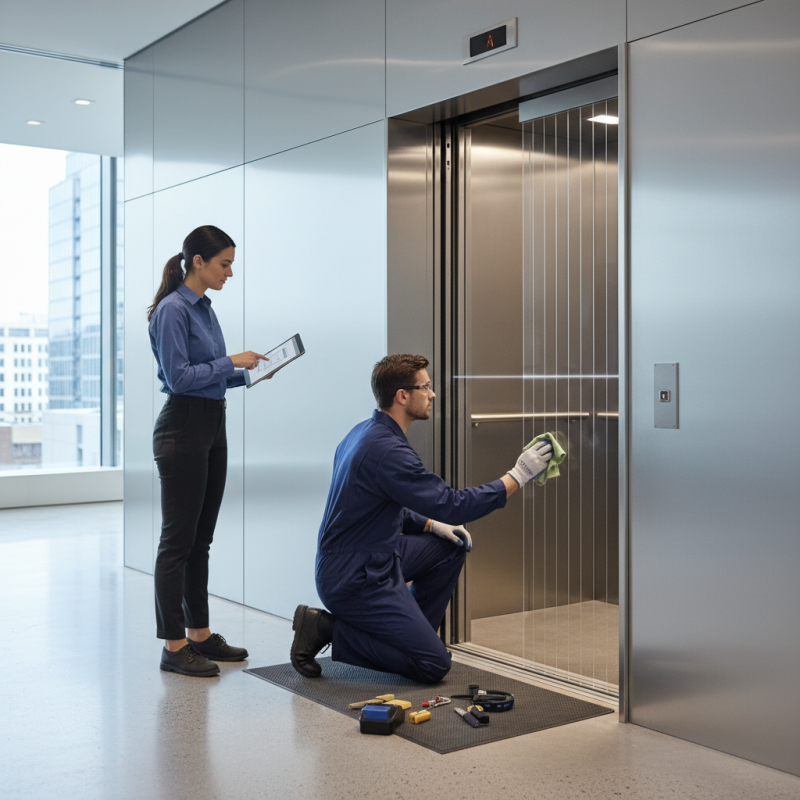
Elevator door sensors play a crucial role in ensuring passenger safety. These sensors detect obstacles when elevator doors close. According to industry reports, around 70% of elevator-related accidents happen due to door sensor failures. Such incidents illustrate the importance of regular maintenance and understanding sensor functionality.
The functionality of door sensors involves infrared beams and pressure plates. These technologies work together to halt closing doors when an object is detected. Regular inspections can identify misalignments and dirt buildup that may impair performance. A report from the Elevating Devices Safety Association highlights that about 30% of safety incidents are preventable with routine check-ups.
However, user behavior can also impact sensor reliability. For example, repeatedly forcing doors open may cause alignment issues. Clear communication about proper elevator usage can mitigate these risks. Failure to comprehend sensor mechanisms often leads to neglect, resulting in frustrating malfunctions. Ultimately, well-informed passengers and regular equipment checks form the bedrock for effective elevator safety practices.
: Common causes include debris obstructing the sensor’s path, misalignment, and electrical issues.
Dust, dirt, and foreign objects can interfere with the sensor's detection capabilities, leading to malfunctions.
Proper alignment ensures effective communication between sensors. Misaligned sensors can cause doors to close unexpectedly.
Faulty wiring and worn-out components can hinder performance. Regular checks are crucial for reliable operation.
Regular inspections and cleanings can prevent malfunctions, ensuring smooth operation and reducing repair costs.
Advanced sensors using infrared and ultrasonic technology enhance detection accuracy and response times.
Budget constraints often limit the ability to invest in advanced sensor technologies or regular maintenance.
Monitoring performance over time allows for identifying failure patterns, making proactive interventions possible.
Ignoring maintenance can lead to extensive repairs and increased downtime, impacting safety and accessibility.
Neglecting advancements can lead to equipment failures, compromising user safety and overall elevator performance.
To effectively address the issue of how to prevent elevator door sensor malfunctions, it is essential to understand the functionality and importance of these sensors in ensuring passenger safety. Common malfunctions can arise from factors such as environmental conditions, improper maintenance, and wear and tear, all of which can significantly impact the safe operation of elevators.
Regular maintenance practices play a crucial role in preventing sensor failures. Implementing routine inspections and prompt repairs can help identify potential issues before they escalate. Additionally, leveraging modern technology, such as advanced sensor systems, can greatly enhance performance and reliability. Training staff on best practices for managing elevator door sensors ensures that all personnel are aware of the protocols necessary for maintaining safety and efficiency in elevator systems. By focusing on these elements, building operators can create a safer environment and minimize the risk of sensor malfunctions.

 Samar Lift