How to Operate an Articulating Boom Lift Safely and Efficiently?

Time:2026-05-22 Author:Isabella
0%

Operating an articulating boom lift safely is critical in various industries. According to the Occupational Safety and Health Administration (OSHA), falls are among the leading causes of fatalities in the workplace. In 2020 alone, there were thousands of incidents involving aerial lifts. Therefore, understanding how to operate an articulating boom lift safely is essential for preventing accidents and ensuring worker safety.

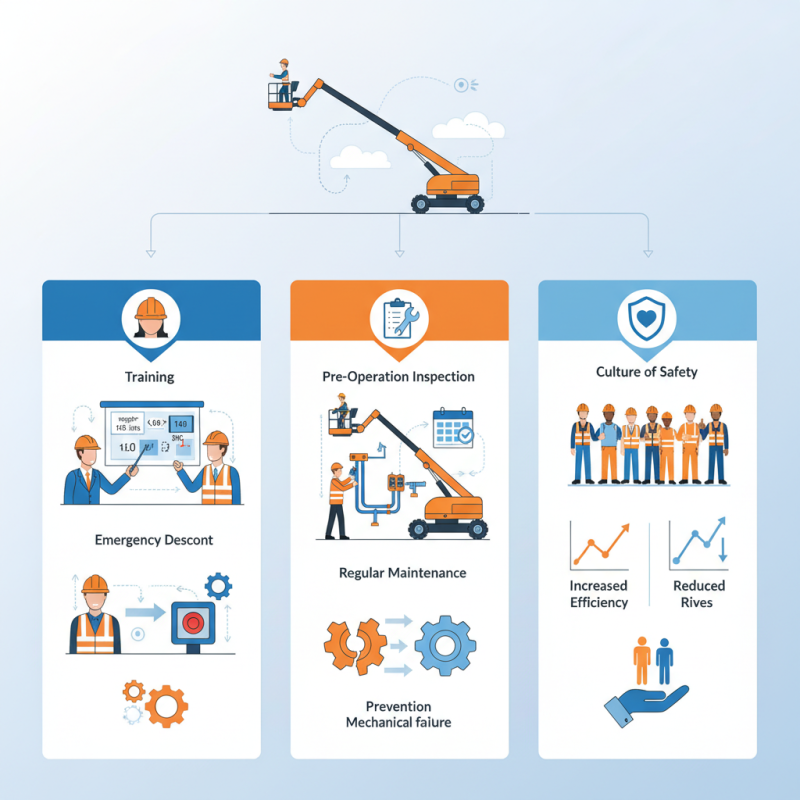
Proper training and knowledge about equipment are paramount. A study by the National Institute for Occupational Safety and Health (NIOSH) highlighted that lack of training was a significant factor in many injuries. Workers must be aware of weight limits, machine capabilities, and emergency procedures. Many operators recall instances where failure to follow safety protocols led to near-misses. Recognizing past errors is key to improving safety practices.

Regular inspections and maintenance are equally important. A well-maintained lift can prevent mechanical failures that might lead to accidents. However, some workers overlook this aspect, resulting in serious consequences. Encouraging a culture of safety and constant vigilance can significantly enhance the efficiency of operations while reducing risks associated with boom lift usage. Understanding how to operate an articulating boom lift safely is not just about compliance; it's about protecting lives.
How to Operate an Articulating Boom Lift Safely and Efficiently?

Understanding the Basics of Articulating Boom Lifts

Articulating boom lifts are crucial for reaching high and difficult areas. Understanding their functionality is essential for safe operation. These lifts have extendable arms that can pivot, allowing access to a variety of locations. Operators must be trained to use them effectively. Improper use can lead to accidents.

Before using an articulating boom lift, it's vital to conduct a safety inspection. Check for any visible damage and ensure that all controls are functioning. Operators should be familiar with the lift's controls and know how to maneuver it smoothly. It can be challenging to balance control and stability.

Experience may vary among operators due to different levels of training and comfort. Moreover, awareness of the working environment is essential. Obstacles like power lines and uneven surfaces can pose hazards.

Operators sometimes underestimate these risks. Continuous reflection on past experiences can help improve safety practices. Prioritizing worker safety and following guidelines can enhance operation efficiency.

Key Safety Measures Before Operating a Boom Lift

Operating an articulating boom lift safely requires careful preparation. Before you step into the lift, conduct a thorough inspection. Check for any mechanical issues, assess the operating environment, and ensure that safety features are functional. Pay attention to weather conditions. High winds can affect stability.

Tips for inspection: Look for leaks or unusual noises. Ensure that guardrails are intact. Confirm that the platform is clean and free of debris. A quick visual check can prevent accidents later.

Communication is key before operating the boom lift. Ensure all team members understand the plan. Clearly outline hand signals and emergency procedures. People on the ground should have a clear view and stay away from the lift's operating area.

Remember, even experienced operators must remain vigilant. Mistakes can happen, and quick reflexes may be needed. Always maintain a safe distance from power lines. It only takes a moment for distractions to lead to serious incidents.

Safety Measures for Operating an Articulating Boom Lift

Step-by-Step Operation Procedures for Articulating Boom Lifts

Operating an articulating boom lift requires a clear understanding of safety protocols and operational procedures. According to the American National Standards Institute (ANSI), worksite accidents frequently involve failure to adhere to safety guidelines. Thus, every operator should complete thorough training focused on the lift's functionality. This includes understanding the boom's range of motion and load limits, which are crucial for preventing accidents. The ANSI reports indicate that improper use accounts for approximately 26% of all aerial lift-related incidents.

When preparing for operation, it’s vital to conduct a pre-use inspection. Check for visible damage and ensure all safety devices function correctly. According to data from Occupational Safety and Health Administration (OSHA), 19% of lift-related injuries stem from mechanical failures that could have been detected through routine checks. Operators should familiarize themselves with emergency procedures as well. Frequently, the ability to react quickly can mean the difference between a minor issue and a serious accident.

Once in operation, maintain a clear communication line with ground crews. The simplest form of communication can avert misinterpretations. Moreover, positioning the boom lift on stable ground decreases the risk of tipping over, which remains a leading cause of fatalities—reported at around 42% in workplace incidents involving lifts. Unexpected shifts in the worksite environment, such as weather changes, could alter the situation. Constant vigilance is necessary, as complacency often leads to oversights in safety measures.

Maintenance and Inspection Tips for Enhanced Safety

Regular maintenance and thorough inspections are vital for safe operation of an articulating boom lift. Before use, operators should conduct a pre-operation checklist. Verify hydraulic levels and inspect all safety features. Check for any visible damages on the lift’s structure. It’s essential to have a clear understanding of the equipment's manual.

Tips for an effective inspection include examining tires for proper inflation and wear. Look for fuel leaks, cracks, or rust on the boom. Test all safety alarms and emergency stop functions. Keeping a maintenance log can help track issues over time and ensure reliability.

Post-operation inspections are equally important. After each job, clean the lift properly to prevent debris buildup. Document any irregularities you notice during use. Sharing insights with your team can reinforce a culture of safety. Remember, effective maintenance practices may prevent accidents but cannot eliminate risks entirely.

Common Mistakes to Avoid When Using a Boom Lift

Using an articulating boom lift can present challenges, especially for inexperienced operators. One common mistake is overlooking the pre-operational checks. Ensure to inspect the lift’s stabilizers, controls, and emergency systems before use. Skipping these steps can lead to mechanical failures or accidents.

Another frequent error is improper positioning of the lift. Always assess your worksite beforehand. Is there enough clearance? Are power lines nearby? Ignoring these conditions could cause severe issues. Maintain a safe distance from hazards to avoid dangerous situations.

**Tips:**
Always wear a harness when working at height. It can save lives. Communicate clearly with your team during operations. Misunderstandings can lead to accidents. Familiarize yourself with the lift controls before operating. Confidence comes from knowledge and practice.

FAQS

: What should be inspected before operating a boom lift?

: Inspect for mechanical issues, check weather conditions, and ensure safety features work properly.

Why is communication important before using a boom lift?

Effective communication helps ensure everyone understands the plan and emergency procedures, reducing the risk of accidents.

What are common causes of accidents while using boom lifts?

Improper use and mechanical failures account for many accidents. Always follow safety guidelines to prevent incidents.

How can operators maintain safety while using a boom lift?

Operators should stay vigilant, maintain a safe distance from power lines, and react quickly to unexpected conditions.

What should be included in a pre-operation checklist?

Verify hydraulic levels, check safety features, and ensure no visible damage on the lift’s structure.

Are post-operation inspections necessary?

Yes, they are crucial. Clean the lift after use and document any irregularities to promote safety awareness.

What details should be noted during inspections?

Take note of tire wear, fuel leaks, and any structural cracks or rust on the boom to ensure safety.

How can maintenance logs help operators?

Maintenance logs track issues over time, enhancing safety and ensuring the lift's reliability for future use.

How does complacency affect safety?

Complacency can lead to oversights. Operators must remain attentive to all safety measures during operations.

What can prevent lifting accidents?

Regular inspections and proper training are essential, but remember that risks can never be completely eliminated.

Conclusion

To operate an articulating boom lift safely, it is crucial to understand the basics of these machines, including their components and functionalities. Before operating a boom lift, key safety measures must be adhered to, such as performing thorough pre-operation inspections and ensuring that the work area is free from hazards. This preparatory work sets the foundation for effective operation.

Following a step-by-step procedure further enhances safety during use. Operators should be trained in the proper techniques for maneuvering the lift, managing load capacities, and maintaining stability. Regular maintenance and inspection of the lift are essential for long-term safety and performance. Lastly, being aware of common mistakes, such as overlooking safety checks or improper use of controls, can significantly reduce the risk of accidents. By integrating these practices, one can confidently learn how to operate an articulating boom lift safely and efficiently.

Isabella

Isabella

Isabella is a dedicated marketing professional with a sharp focus on driving brand growth and engagement through strategic content creation. With an extensive background in digital marketing, she combines her passion for storytelling with her keen understanding of industry trends to deliver......