Elevators in villas serve as a vital component for accessibility and luxury. However, ensuring they meet safety standards is crucial. Homeowners often ask, "What are the safety requirements for villa elevators?" Addressing these needs affects both the users' safety and the property's value.
A comprehensive understanding of safety measures prevents potential hazards. Villa elevators must comply with regulations set by local authorities and manufacturers. Key aspects include proper installation, regular inspections, and adherence to load limits. Frequent maintenance checks are essential to identify wear and tear, which could lead to serious issues.
While most villas invest in modern elevator systems, reflecting on current practices is necessary. Some homeowners overlook these safety requirements, leading to unforeseen accidents. Awareness and proactive measures are vital in mitigating risks. Elevators should be user-friendly and comply with safety protocols. Thus, a thorough review of safety practices for villa elevators enhances safety and provides peace of mind for residents and guests.
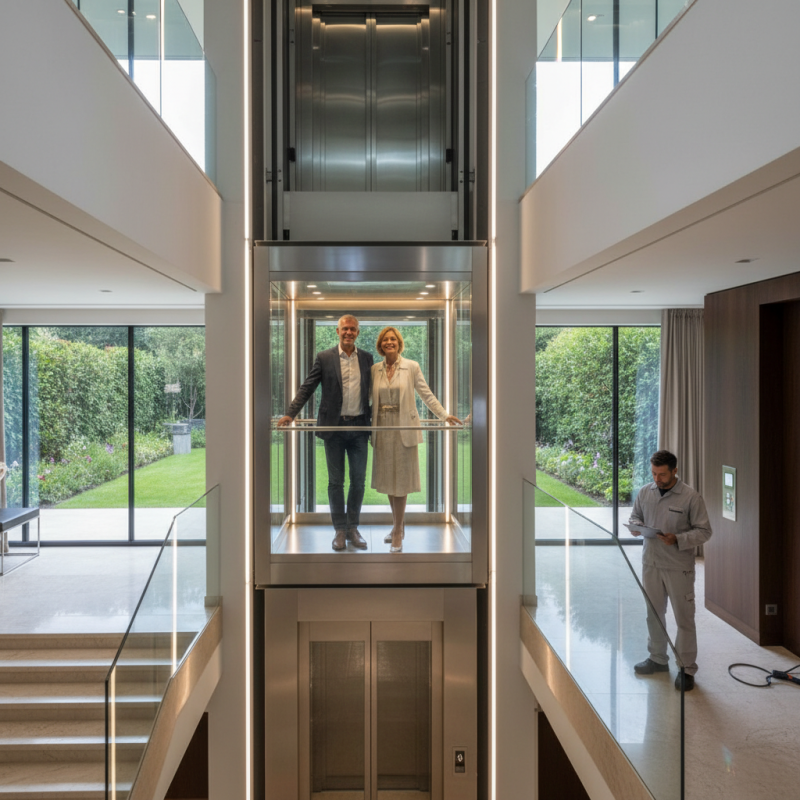
When considering villa elevator safety, understanding the relevant safety standards is crucial. The International Organization for Standardization (ISO) outlines specific guidelines for elevators installed in residential buildings. For instance, ISO 8100 highlights essential safety features that must be in place. This includes measures like emergency stop systems and appropriate signage. These guidelines ensure that the elevator operates safely, protecting both residents and guests.
Regular inspections are another critical aspect of maintaining safety compliance. According to the National Elevator Industry, Inc., proper inspections can reduce accidents significantly. It’s reported that elevators in well-maintained systems have a 60% lower chance of malfunction. This statistic underscores the necessity of adhering to safety standards rigorously. Many villas overlook this aspect, leading to potential risks.
Moreover, installation professionals must be qualified. Employing technicians who understand safety protocols is vital. Inadequate training can result in misaligned components and other hazards. Buyers should always request proof of credentials and training. It's important to not just comply with regulations but to reflect on practices continuously. Constant reevaluation of safety processes helps ensure that all potential risks are addressed properly.
: Essential safety features include emergency stop systems and appropriate signage. These elements protect residents and guests.
Regular inspections are crucial. They should be conducted at least once a year for optimal safety.
Regular maintenance prevents accidents and extends the elevator's lifespan. It keeps essential components functioning properly.
Technicians with proper training understand safety protocols. This knowledge helps prevent misalignment and associated hazards.
Routine checks on cables, pulleys, and control systems are vital. Regular lubrication prevents friction and improves performance.
Keep a detailed log of all maintenance activities. This record helps identify recurring problems for better management.
Training and frequent drills help staff respond effectively. Preparedness can reduce panic in critical situations.
Relying solely on routine checks is risky. Comprehensive evaluations should occur annually to address irregularities.
Many villas overlook thorough inspections. This neglect can lead to safety risks and inefficient operations.
Continuous reevaluation of safety practices is essential. It helps identify and address potential risks proactively.
Meeting safety requirements for villa elevators is crucial for ensuring the safety of users and compliance with regulations. Understanding villa elevator safety standards begins with an awareness of the key regulatory bodies that govern elevator safety, which set forth essential guidelines. Among the critical safety features required are emergency braking systems, proper signage, and fail-safe mechanisms that protect during operation.
Regular maintenance practices are vital for upholding these safety standards, allowing for the timely identification and rectification of potential issues. Furthermore, training and education for both elevator users and operators play a significant role in maintaining safety. Addressing the question of "What are the safety requirements for villa elevators?" encompasses all these aspects, emphasizing the importance of adherence to regulations, implementation of safety features, and ongoing education to minimize risks and ensure a safe environment for all users.

 Samar Lift