How to choose the best boom lift for your project needs?

Time:2026-05-05 Author:Ethan
0%

Choosing the right equipment for your project can be daunting. When thinking about aerial work platforms, boom lifts are often essential. They provide elevated access needed for various tasks, from construction to maintenance. However, many project managers ask, "How to choose the right boom lift for my project?"

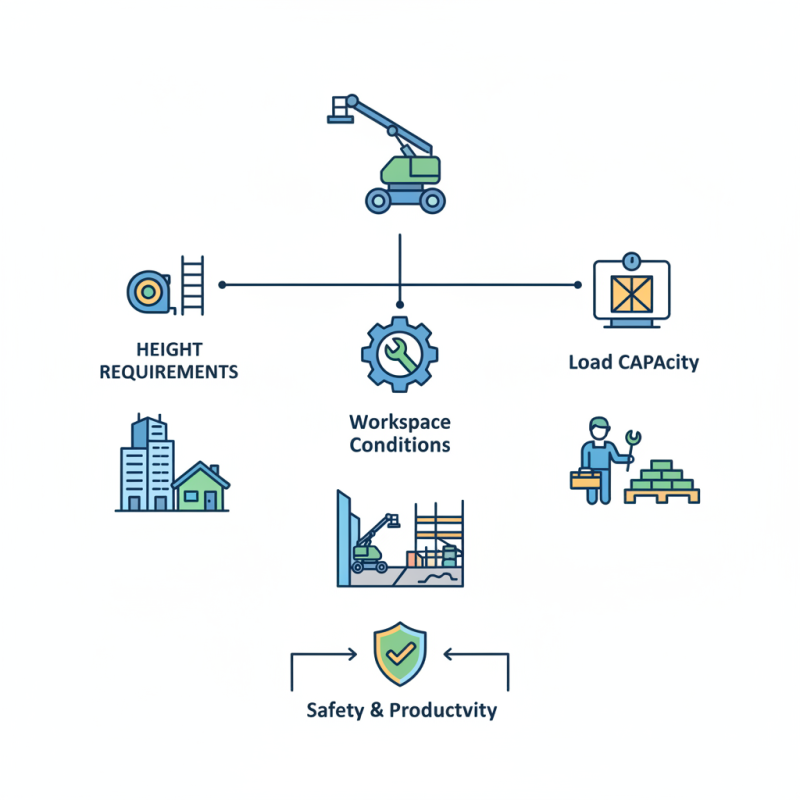
Understanding your specific project needs is crucial. Consider factors like height requirements, workspace conditions, and load capacity. Each project has unique demands that will determine which type of boom lift is best. It's not just about picking any lift; the wrong choice can lead to inefficiencies or even safety hazards.

The ideal boom lift should match the project scope. For instance, a compact lift may benefit tight spaces, while a larger unit suits expansive sites. Look for reliable brands with proven performance records. Researching user reviews can provide valuable insights. Remember, your choice impacts productivity and safety on site, making it essential to reflect on the details.
How to choose the best boom lift for your project needs?

Understanding Different Types of Boom Lifts Available in the Market

When selecting a boom lift, understanding the various types available is essential. There are two main categories: telescopic and articulating boom lifts. Telescopic boom lifts extend straight up and are ideal for high, vertical jobs. They offer great height but can lack flexibility in navigating obstacles. This can be a drawback in tight spaces.

Articulating boom lifts, on the other hand, feature a jointed arm. This design allows them to reach over obstacles while maintaining height. They are great for jobs that require maneuvering around barriers. However, their operating speed may be slower than that of telescopic lifts. Consider the specific needs of your project before making a decision.

Another important factor is the weight capacity. Different models support varying loads, so assess the equipment or personnel you will lift. Some lifts may not provide enough support for heavier materials. Safety is paramount, so don’t overlook this aspect. Ultimately, understanding these nuances will help you choose the best boom lift for your job site.

Assessing Your Project Requirements and Worksite Conditions

When selecting a boom lift, understanding your project requirements and worksite conditions is crucial. Identify the height and reach needed for your specific tasks. A boom lift designed for tight spaces may be essential if your site is crowded. Worksite conditions like terrain and overhead obstructions can also heavily influence your choice. A rough terrain boom lift might be necessary for outdoor construction projects on uneven ground.

Assess the load capacity required for your project. Consider the weight of workers and materials that will be lifted. Ignoring this can lead to unsafe work practices. Observe the environment where the lift will operate. Weather conditions can vary significantly, affecting stability. Knowledge of local regulations regarding lift operation is also critical.

During planning, reflect on the accessibility of your worksite. Can trucks deliver the equipment easily? Is there enough space for the boom lift's swing radius? Take time to visually inspect the site before making a decision. Engaging experienced operators can also help in evaluating the fit of a boom lift to your project. Make sure all factors align to ensure safety and efficiency.

Evaluating the Lift's Specifications and Load Capacity

When selecting a boom lift, understanding its specifications and load capacity is crucial. A boom lift’s specifications include its height, reach, and weight limit. Each project has unique demands that must align with these specifications for safety and efficiency. For example, if your project involves working on a tall building, a lift with a higher reach is essential. Assessing this ensures workers can access the required heights without risk.

Load capacity is another critical factor. Boom lifts come with varying weight limits. Knowing the combined weight of personnel and equipment is vital. An overestimated load can lead to accidents. Always err on the side of caution. Sometimes operators overlook this detail because they focus on height alone. A mismatch between load capacity and actual weight can be dangerous.

Regular reviews of specifications are necessary. This can mean recalibrating for future projects. Innovations in boom lift technology may change previously accepted standards. It’s important to stay updated with new features and capacities. Reflecting on past experiences may reveal where improvements are needed. This practice ensures the chosen lift meets all safety and operational standards.

Safety Features and Compliance Standards to Consider

When choosing a boom lift, safety features are paramount. Operators must prioritize lifts that include stabilizers and well-designed guardrails. These elements greatly reduce the risk of falls and accidents. Comprehensive safety checklists can ensure all features are functioning before use. It’s essential to understand the equipment's limitations and proper usage.


Compliance with industry standards cannot be overlooked. Ensure that the boom lift meets local and federal regulations. Certifications provide a level of assurance regarding safety and reliability. Always check for the operator's manual and familiarize yourself with emergency procedures. This preparation can make a critical difference in emergencies.


While many models seem safe, each project has unique needs. A booming lift that fits one situation may not suit another. It's crucial to evaluate factors like weight capacity and working height. Reflecting on past experiences can help steer the decision, but be wary of overconfidence. Each job site presents different challenges; adaptability is key.

Budgeting for Your Boom Lift Rental or Purchase Options

When budgeting for your boom lift needs, consider both rental and purchase options. Renting can be cost-effective for short-term projects, while purchasing may be better for long-term use. Assess the frequency and duration of your projects to determine the best financial route.

Tips: Estimate usage days to find the right rental cost. Compare prices across providers. Look for hidden fees in the purchase agreements.

Project type influences lift choice. Make sure to consider the height and weight requirements. Remember, not all lifts are suitable for all jobs. Sometimes, the cheapest option isn’t the best. A lift that meets your needs can prevent costly delays and accidents.

Tips: Check lift specifications carefully. Safety ratings matter. Review user feedback to gauge reliability and performance.

Budgeting for Your Boom Lift Rental or Purchase Options

FAQS

: What should I consider when choosing a boom lift?

: Assess your project requirements first. This includes height and reach needed for tasks.

How do worksite conditions affect the choice of a boom lift?

Terrain and overhead obstructions are crucial. A rough terrain lift may be needed for uneven ground.

Why is load capacity important for a boom lift?

It ensures safety by accounting for the weight of workers and materials. Ignoring it can lead to accidents.

What role do weather conditions play in boom lift operation?

They can significantly affect stability. Always consider how weather may change during your workday.

How can I determine if my worksite is accessible?

Inspect if trucks can easily deliver equipment. Check space for the boom lift's swing radius as well.

What can happen if I overestimate the load capacity?

Overloading can lead to dangerous situations. Always be cautious and factor in all weights involved.

How often should I review lift specifications?

Regularly. Innovations may change standards. Stay updated to ensure safety and efficiency in operations.

Can experienced operators help with my decision?

Yes, they can provide valuable insights. Engaging them may improve the fit of your selected boom lift.

Is it important to inspect the site visually before operation?

Definitely. A thorough inspection can prevent overlooked details that could affect safety.

What is a common mistake when selecting a boom lift?

Focusing solely on height while ignoring load capacity can be a serious oversight. Reflect on past choices regularly.

Conclusion

When determining how to choose the right boom lift for my project, it is essential to start by understanding the different types of boom lifts available in the market, including straight, articulating, and telehandlers. Each type serves unique functions, so assessing your specific project requirements and worksite conditions is crucial to make an informed choice.

Next, evaluating the lift's specifications, such as height reach, load capacity, and maneuverability, ensures it meets your job needs. Additionally, prioritize safety features and compliance standards to ensure a secure working environment. Finally, budgeting for either rental or purchase options is vital to align the boom lift choice with financial plans, making it easier to narrow down the ideal lift for your project.

Ethan

Ethan

Ethan is a seasoned marketing professional with a deep expertise in our company's innovative product line. With a passion for sharing knowledge and insights, he takes the lead in regularly updating our corporate blog, where he explores industry trends, product features, and effective marketing......