When considering luxury living, villa elevators play a crucial role in convenience and accessibility. However, safety should never be overlooked. A recent report from the China Elevator Association highlights the increasing need for stringent safety measures in home elevators, particularly in upscale residential villas. As the demand for these elevators rises, so does the responsibility to ensure they meet necessary standards.
Experts in the field, like Dr. Li Wei, emphasize the importance of understanding "What are the safety requirements for villa elevators?" He asserts, "Proper safety measures can save lives and protect investments." This statement underscores the significance of adhering to regulations that govern elevator systems. Key requirements include regular maintenance, emergency protocols, and certified installation standards to prevent accidents.
Moreover, many villa owners may not be aware of these requirements or underestimate their importance. This gap in knowledge can lead to potential hazards. It's essential that property developers and homeowners educate themselves on these standards. By prioritizing safety, they can not only fulfill legal obligations but also enhance the overall living experience in their luxurious spaces.
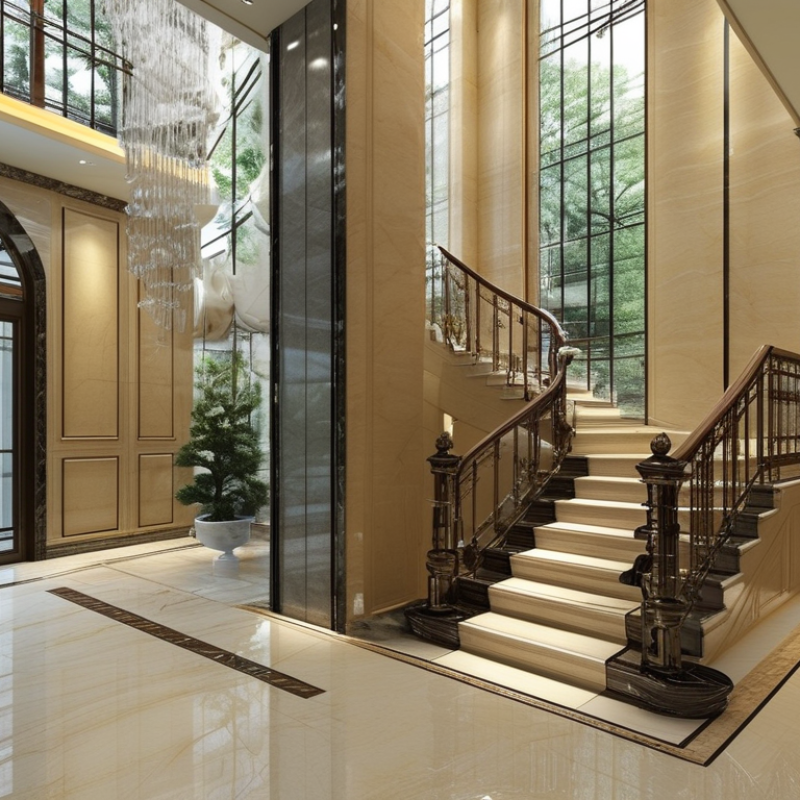
In China, villa elevators must adhere to strict safety standards. These regulations ensure the safety of users and the reliability of the elevators. Key requirements include comprehensive testing and regular inspections. Elevator systems should be equipped with safety features like emergency brakes and adequate lighting. These elements are crucial for preventing accidents and ensuring a safe environment.
Professionals in the field emphasize the importance of maintenance. Regular upkeep can prevent malfunctions that might endanger users. It is not uncommon for villas to overlook these aspects, leading to risky situations. Operators should prioritize training staff to handle emergencies and perform routine checks. This focus on staff preparedness reflects a commitment to safety.
User awareness also plays a vital role in elevator safety. Villa owners should educate family members and guests on proper usage. Simple actions, like not overcrowding the elevator, can significantly reduce risks. There remain challenges, particularly in ensuring that all users adhere to safety guidelines. Continuous improvement is necessary to close gaps in safety compliance.
In China, villa elevators must meet specific design features to ensure safety and reliability. According to the China Academy of Building Research, 70% of villa construction projects incorporate advanced elevator systems. These systems are essential for seamless vertical transport within luxury residences. Key design features include the use of anti-slip flooring, emergency lighting, and adequate ventilation. Elevators should have a minimum weight capacity of 400 kg, catering to larger households.
Safety mechanisms are a top priority. Over 80% of accidents in elevators are due to mechanical failures. Thus, modern villa elevators should be equipped with redundant safety systems. These systems help prevent free falls and ensure that doors open only when the elevator is correctly aligned. Regular maintenance is required to uphold these standards.
Moreover, user experience cannot be overlooked. High-level vibration dampening and noise reduction are vital for luxury settings. Surprisingly, reports reveal that around 30% of older villa elevators fail to meet modern noise standards, leading to potential dissatisfaction among residents. Continuous improvements in design are essential to address these gaps, making safety not just a requirement, but an evolving commitment in villa elevator design.
In China, safeguarding the operation of villa elevators involves several key regulatory bodies. The State Administration for Market Regulation (SAMR) plays a crucial role in establishing safety standards and regulations. Their guidelines ensure that elevators meet stringent safety criteria during installation and operation. They regularly inspect and assess elevator performance to maintain safety compliance.
Another essential authority is the Ministry of Housing and Urban-Rural Development. They develop national building codes, including specific elevator safety requirements. The integration of these codes guarantees that builders and manufacturers adhere to the highest safety standards in villa construction. Regular assessments are critical to identify potential hazards.
Tips for ensuring safety include conducting regular maintenance checks. Proper inspection can prevent accidents and prolong the lifespan of the elevator. Additionally, always adhere to weight limits; overcrowding can lead to system failures. Encourage users to familiarize themselves with emergency procedures. This small step can make a significant difference in critical situations. Remember, even well-regulated systems require constant vigilance.
| Requirement | Description | Regulatory Body | Compliance Level |
|---|---|---|---|
| Emergency Brake System | Elevators must be equipped with an emergency brake system that activates in the event of power loss. | State Administration for Market Regulation | Mandatory |
| Load Capacity Limit | Each elevator must have a clearly marked maximum load capacity to prevent overload. | Ministry of Housing and Urban-Rural Development | Mandatory |
| Regular Inspection | Elevators must undergo regular inspections by licensed professionals to ensure safety compliance. | China Special Equipment Inspection and Research Institute | Mandatory |
| Fire Safety Features | Elevators must include fire safety features such as smoke detectors and emergency communication systems. | Ministry of Emergency Management | Advisory |
| User Safety Training | Training on proper elevator use and emergency procedures for residents is recommended. | Local Safety Inspection Authorities | Recommended |
Villa elevators are becoming essential in modern luxury homes, but safety remains a prime concern. Key safety features in these elevators include emergency stop buttons, which allow users to halt the elevator in case of malfunction. Additionally, modern villa elevators are often equipped with automatic rescue devices. This feature automatically brings the elevator to the nearest floor during a power outage, preventing occupants from being stuck inside.
Another critical safety feature is the door locking mechanism. This ensures that the doors cannot open while the elevator is in motion. Sensors are also crucial; these detect obstacles before the door closes, adding an extra layer of protection. Interestingly, some villas include advanced technologies like voice-activated commands. While this seems innovative, it raises questions on reliability. Can we fully trust technology to function without glitches?
Routine inspections and maintenance are vital yet often overlooked. Some homeowners may neglect these checks, leading to potential risks. Awareness and education about these safety features can empower users. Understanding how each component works can significantly enhance safety and usability. In the evolving landscape of villa elevators, attention to detail in safety features is crucial.
Inspection and maintenance protocols for villa elevators in China are vital for ensuring safety and reliability. Regular inspection is required to detect any potential issues before they escalate. Trained professionals should conduct these inspections at least once every three months. This routine can help identify wear and tear on components such as cables, pulleys, and brakes. Each inspection should include functionality tests. Equipment that doesn’t meet safety standards must be reported and marked for repair.
Maintenance is equally important. Over time, elevators can accumulate dirt and debris that affect performance. Professionals should clean the elevator system regularly. A well-documented maintenance log is essential, tracking all repairs and replacements. Owners can sometimes overlook minor issues. However, these should not be ignored as they can lead to major malfunctions later. Inspecting indicators, lights, and alarms plays a key role in keeping the system functional. Regular checks on backup systems are also crucial.
Educating villa residents about elevator safety can prevent accidents. Understanding how to operate the elevator and recognizing warning signs can enhance safety. Residents must be informed to report unusual noises or jerky rides immediately. Communication between residents and maintenance teams should be clear. This ensures everyone is aware of the elevator's condition, fostering a culture of safety and vigilance.
: Villa elevators must follow strict guidelines, ensuring user safety and elevator reliability.
Regular maintenance helps prevent malfunctions that can endanger users, which is often overlooked.
Safety features include emergency brakes, adequate lighting, and anti-slip flooring to prevent accidents.
Educating family and guests on proper usage and avoiding overcrowding can significantly reduce risks.
Required features include sufficient weight capacity, emergency lighting, and effective ventilation.
Over 80% of elevator accidents occur from mechanical failures, underscoring the need for reliable systems.
High-level vibration dampening and noise reduction are crucial for luxury living, yet many fail to meet standards.
Ensuring all users adhere to safety guidelines remains difficult, highlighting the need for ongoing awareness.
Regular inspections maintain safety standards and ensure consistent evaluation of elevator functionality.
Ongoing innovation addresses existing gaps, emphasizing safety as a commitment rather than just a requirement.
In China, villa elevators are subject to stringent safety standards to ensure the safety of users. Key design features mandated by these standards include robust structural integrity, appropriate load-bearing capacities, and the installation of emergency communication systems. Regulatory bodies play a crucial role in enforcing these regulations, overseeing compliance, and ensuring that elevator designs meet established safety parameters.
To address the question, "What are the safety requirements for villa elevators," it is important to recognize the necessity for common safety features like overload protection, door interlocks, and regular inspection and maintenance protocols. These elements not only enhance the safety and reliability of villa elevators but also comply with the regulatory framework that governs elevator safety in China. Regular maintenance checks are essential for the prompt identification and rectification of any potential safety hazards.
Samar Lift