Why Does a Boom Lift Require a Harness for Safety?

Time:2026-06-04 Author:Henry
0%

Working at heights presents various hazards. This is particularly true when using boom lifts. The question arises: "Why does a boom lift require a harness for safety?" Understanding this necessity is crucial for any operator. A harness minimizes the risk of fall-related injuries. Unfortunately, some users neglect this vital safety measure.

Professionals emphasize the dangers associated with elevated work. Harnesses provide critical support, especially during movement. Even experienced operators can face unexpected challenges. The potential for slips or equipment failure is real. These incidents can lead to severe consequences. A harness acts as a lifeline, ensuring that workers remain secure.

Inadequate safety practices can lead to tragic outcomes. Every worker should reflect on their safety routines. The choice to wear a harness should never be overlooked. Safety regulations are in place for a reason. Ultimately, adopting these measures not only protects individuals but also fosters a culture of safety in the workplace.
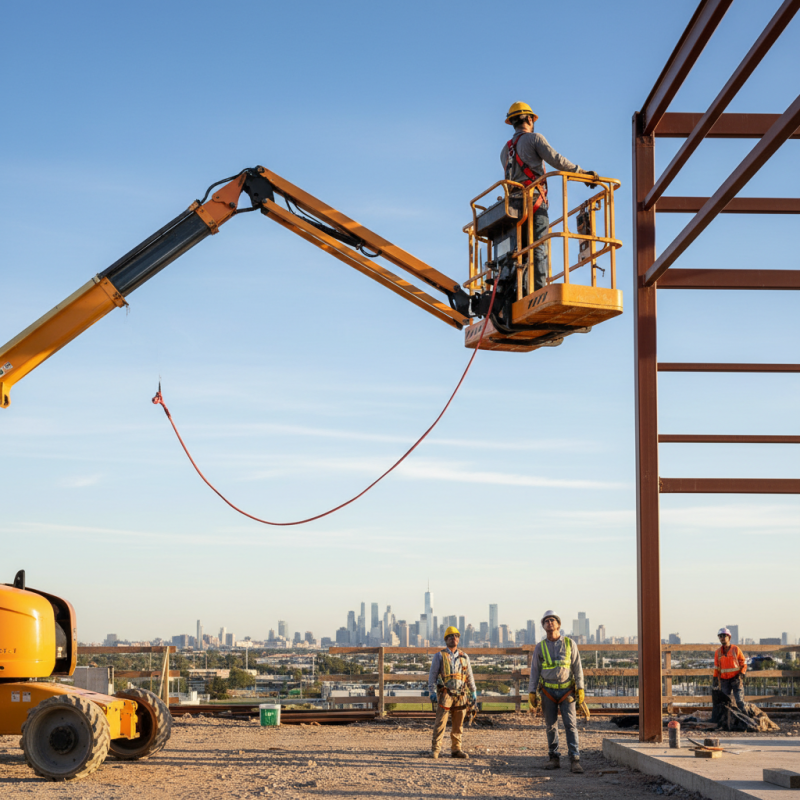
Why Does a Boom Lift Require a Harness for Safety?

Importance of Safety Harnesses in Boom Lifts

Working at heights presents unique risks, and boom lifts are no exception. Safety harnesses are crucial for protecting workers from falls. When elevated, the ground looks distant. A slip can happen in an instant. Harnesses act as a safety net, ensuring that if someone loses their footing, they remain securely tethered to the lift. This can prevent serious injuries or worse.

While harnesses significantly improve safety, they must be used correctly. Workers should be trained on proper harness fitting and attachment. An ill-fitted harness can be ineffective. It's essential for operators to inspect their equipment regularly. This includes checking for wear and tear. Relying solely on equipment without understanding its function can lead to overlooking critical details.

Even with safeguards in place, complacency can creep in. Some workers may feel invulnerable while working at height. This mindset can lead to negligence in following safety protocols. Encouraging a culture of safety is vital. Discussing past incidents and learning from mistakes can enhance awareness and responsibility. Safety harnesses are a fundamental part of boom lift operations, but using them correctly and maintaining vigilance are equally important.

Understanding Boom Lifts and Their Applications

Boom lifts are essential tools in various industries, from construction to landscaping. They provide access to hard-to-reach areas. Often, workers use them to perform tasks at heights. According to the International Powered Access Federation (IPAF), the use of boom lifts has increased by approximately 15% annually over the last five years. This rise underscores their importance in modern work environments.

Despite their benefits, safety remains a significant concern. The Occupational Safety and Health Administration (OSHA) indicates that falls account for about 33% of all workplace fatalities. Wearing a harness when operating boom lifts can significantly reduce these risks. A properly fitted harness stabilizes the worker, preventing falls if the equipment tips. Industry standards suggest regular training on harness usage as effective in mitigating accidents.

Unfortunately, not all operators follow safety protocols diligently. Some may ignore harness requirements due to time pressure or lack of training. This oversight often leads to tragic outcomes. Continuous education about boom lift operations and harness usage is crucial. Industry leaders must prioritize safety measures to promote a culture of caution and responsibility.

Common Hazards Associated with Boom Lifts

Boom lifts are essential for various construction and maintenance tasks but come with risks. According to the Bureau of Labor Statistics, falls are a leading cause of fatalities in the construction industry. This makes safety gear crucial, especially harnesses, when working at heights. Common hazards include tip-overs, falls, and electrocution. These incidents can lead to serious injuries or fatalities if proper precautions aren’t taken.

In a recent study by the Occupational Safety and Health Administration (OSHA), 47% of boom lift accidents resulted from inadequate safety measures. While operators might feel confident, complacency can lead to overlooking safety protocols. A missing harness could mean the difference between a safe job and a life-threatening fall.

Tips for safety: always inspect your harness before each use. Make sure it fits snugly but allows for easy movement. Training is vital; ensure everyone operating a boom lift knows the risks and proper procedures. Complacency can creep in slowly, but being vigilant is key to safety. Stay alert, and never underestimate the importance of a secure harness. Safety must be a priority on every job site.

Regulatory Requirements for Harness Usage in Elevated Work

Working at heights presents unique challenges and risks. Many regulatory bodies mandate the use of harnesses when operating boom lifts to ensure worker safety. These requirements are often driven by statistical evidence showing a high rate of fall-related injuries in elevated work. When a harness is used correctly, it significantly reduces the risk of falls.

Countries have various guidelines that dictate safe practices. For example, OSHA in the United States emphasizes the necessity of personal fall protection systems. These guidelines specify that harnesses must be worn and correctly secured while on the boom lift. Such regulations aim to create a safer working environment and protect employees. That being said, compliance is sometimes flawed. Workers might neglect to wear harnesses or misuse them, thinking they are unnecessary for short tasks.

Inadequate training can exacerbate this issue. Companies should prioritize thorough training sessions for their workers. Workers need to understand both the equipment and the risks involved. The proper fit of a harness is also crucial; a poorly fitted harness fails to provide adequate protection. Recognizing the importance of adherence to these requirements can help prevent accidents and injuries on job sites.

Best Practices for Wearing a Harness While Using a Boom Lift

Using a harness while operating a boom lift is not just advisable; it is essential for safety. Boom lifts often reach significant heights, increasing the risk of falls. A harness attached to a secure anchor point significantly reduces this risk. When properly worn, a harness distributes weight evenly, allowing better movement and stability. This enables operators to focus on their task without the fear of falling.

Best practices for wearing a harness include checking the equipment before starting work. Inspect the harness for any signs of wear or damage. Make sure buckles and straps are secured properly. The harness should fit snugly but not too tight. An ill-fitting harness can cause discomfort and distract the user. Additionally, workers should take breaks to prevent fatigue, as tiredness can lead to mistakes.

Employers should prioritize training for all operators. Understanding how to wear and utilize a harness correctly is crucial. Regular safety drills can enhance preparedness and awareness among workers. This creates a culture of safety. However, it's also important to recognize that accidents can still happen, even with all precautions taken. Reflecting on past incidents can provide valuable lessons on improving safety practices.

Why Does a Boom Lift Require a Harness for Safety? - Best Practices for Wearing a Harness While Using a Boom Lift

Best Practice Description Importance
Select the Right Harness Choose a full- or pelvic harness that meets safety standards. Ensures proper fit and support to prevent falls.
Inspect the Harness Check for any signs of wear, damage, or degradation before use. Guarantees reliability and safety during operation.
Proper Fit Adjust straps to ensure a snug fit without restricting movement. Maximizes comfort and safety while working at heights.
Use an Anchor Point Connect the harness to a secure anchor point on the boom lift. Reduces the risk of falling when working at heights.
Train Proper Use Ensure all operators understand how to wear and use harnesses correctly. Promotes overall safety culture and reduces accidents.
Regular Training Updates Conduct periodic training refreshers on harness safety. Ensures adherence to the latest safety practices and regulations.

FAQS

: What is the leading cause of fatalities in the construction industry?

: Falls are a leading cause of fatalities. They highlight the need for safety gear, especially harnesses.

Why is a harness important when using a boom lift?

A harness reduces the risk of falls, especially when working at significant heights.

What percentage of boom lift accidents are due to inadequate safety measures?

47% of accidents result from inadequate safety measures, according to OSHA.

How should a harness be inspected before use?

Check for wear or damage. Ensure buckles and straps are secured properly.

What is a common mistake operators make regarding safety?

Complacency leads to overlooking important safety protocols. Confidence can sometimes result in mistakes.

What are some best practices for wearing a harness?

Wear a snug harness that allows movement. Inspect it before each use to ensure safety.

Why is training important for boom lift operators?

Training ensures operators understand risks and correct procedures. It fosters a culture of safety.

Can accidents still happen, even with precautions?

Yes, accidents can still occur despite safety measures. Reflecting on them helps improve practices.

How can fatigue affect safety when using a boom lift?

Fatigue can lead to lack of focus and mistakes. Taking breaks is essential to prevent this.

What should employers do to promote safety among operators?

Employers should prioritize training and conduct regular safety drills to increase preparedness.

Conclusion

Boom lifts are essential tools in various industries for reaching elevated workspaces, but their use comes with inherent risks. Understanding the importance of safety harnesses in boom lifts is crucial, as they protect operators from falls—one of the most common hazards associated with these machines. Regulatory guidelines mandate the usage of harnesses during elevated work, reinforcing the need for proper safety measures.

So, why does a boom lift require a harness? The answer lies in the prevention of injuries during operation. Best practices for wearing a harness include ensuring proper fit and attachment to the lift, which significantly enhances safety. By adhering to safety protocols and utilizing harnesses correctly, workers can perform their tasks effectively while minimizing the risk of accidents.

Henry

Henry

Henry is a dedicated marketing professional with a profound expertise in the company's offerings. With years of experience in the industry, he possesses an impressive understanding of the market dynamics and consumer behaviors that drive success. Henry is committed to sharing his insights through......