2026 Best Home Elevator Safety Features You Must Know?

Time:2026-07-04 Author:Ethan
0%

When considering a home elevator, safety is paramount. Homeowners should prioritize essential safety features to ensure a secure riding experience. Understanding "what safety features should every home elevator have" is crucial when designing or purchasing an elevator. With proper knowledge, you can make informed decisions.

The best home elevators come equipped with various safety features. These include emergency brakes, backup power supplies, and sensor systems to detect obstructions. Additionally, proper lighting and communication devices enhance safety further. Attention to detail in these areas can prevent accidents and safeguard users, especially children and the elderly.

However, not all elevators meet the same standards. Some may lack critical safety mechanisms, raising concerns for families. It is essential to evaluate different options carefully. Home elevators should provide peace of mind, and incorporating necessary safety features helps achieve that goal. Always reflect on the safety measures in place before making a decision.
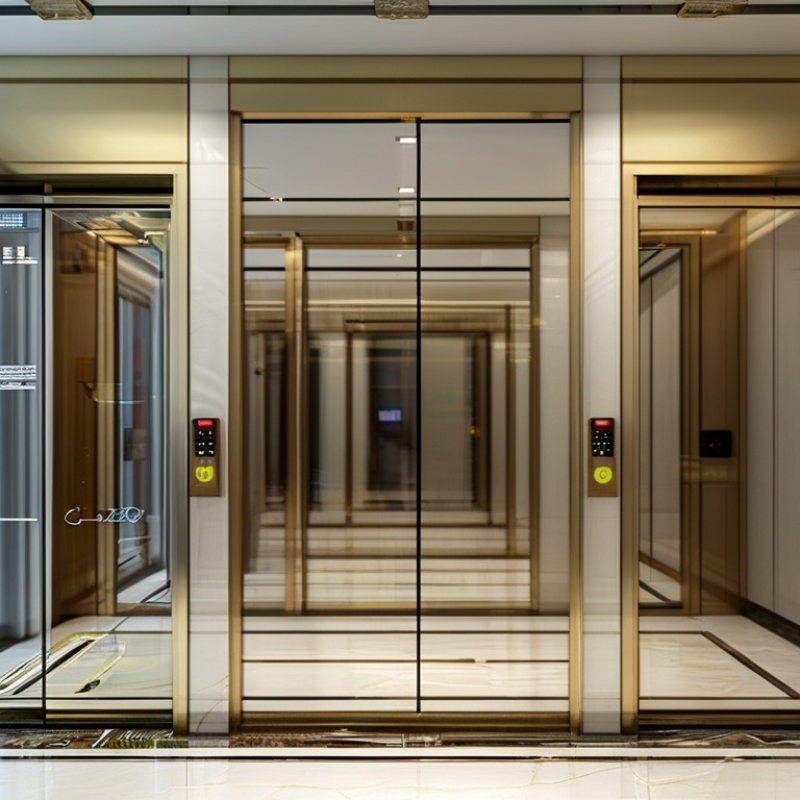
2026 Best Home Elevator Safety Features You Must Know?

Latest Trends in Home Elevator Safety Features for 2026

As we approach 2026, the landscape of home elevator safety features continues to evolve. Smart technology is now a cornerstone of these innovations. Sensors and automatic braking systems enhance reliability and safety. Newer models offer real-time monitoring, alerting homeowners to potential issues before they escalate.

Another trend is the integration of user-friendly controls. Touchless technology reduces physical contact, making navigation easier for everyone, especially the elderly and mobility-challenged. Modern designs are prioritizing aesthetic appeal while maintaining functionality. Still, this balance can be challenging. Ensuring that safety does not compromise style requires thoughtful design choices.

Ongoing education about these features is vital. Homeowners must understand the importance of routine maintenance and updates. As technology advances, staying informed is crucial. Not all users might grasp these innovations immediately, highlighting an area needing improvement. Safety in home elevators should not just focus on new gadgets. It also involves encouraging a culture of safety awareness among residents. This will ensure that everyone can enjoy the benefits of home elevators safely.

Essential Safety Standards for Residential Elevators You Should Know

When considering residential elevators, safety should be a top priority. A fundamental aspect involves adherence to standards set by entities like the American Society of Mechanical Engineers (ASME). They mandate regular inspections and maintenance protocols. This ensures elevators operate safely within residential settings. Notably, elevators should comply with ASME A17.1, which outlines safety measures and operational guidelines.

The National Elevator Industry, Inc. highlights that around 30% of elevator accidents occur due to lack of proper safety features. Essential features include emergency stop buttons, door sensors, and backup battery operations. A smooth operation often hinges on these safety mechanisms. Additionally, regular maintenance checks can uncover potential issues, enhancing safety. Recent studies show that well-maintained elevators have a lower accident rate compared to those neglected.

Proper installation is equally significant. The Elevator Escalator Safety Foundation emphasizes that poor installation leads to hazards. Homeowners should engage qualified professionals for installation to comply with safety codes. Ultimately, while these measures improve safety, homeowners must remain vigilant and proactive in their approach to residential elevator safety.

2026 Best Home Elevator Safety Features You Must Know

Safety Feature Description Standard Compliance Importance
Emergency Stop Button Instantly halts the elevator in case of malfunction. ANSI A17.1, ASME A17.4 Critical for user safety in emergencies.
Automatic Door Closures Prevents doors from closing when an obstruction is detected. ANSI A17.1 Enhances user protection against injury.
Overload Sensors Detects excessive weight and prevents operation. ASME A17.5 Prevents accidents due to overloads.
Intercom System Allows communication with a monitoring station. Not standardized but recommended Ensures help can be summoned if needed.
Battery Backup Provides operation in a power outage. ANSI A17.1 Essential for safety during emergencies.

Innovative Technology Enhancing Home Elevator Safety in 2026

In 2026, home elevator safety technology has seen significant advancements. Innovative features now address common safety concerns. Reports indicate that falls represent approximately 30% of home elevator accidents. Enhanced sensors play a crucial role in preventing these incidents.

Modern elevators utilize smart technology to detect obstructions. When an object is in the way, these systems trigger automatic stops, which significantly reduce the risk of crushing injuries. A study by the American Society of Mechanical Engineers shows that these features can lower accidents by up to 40%.

Emergency communication systems are also becoming standard. Many elevators now include two-way intercom systems. This allows users to communicate with emergency services if necessary. However, there are still limitations. Not all homes are equipped with reliable internet connections, which can impact the functionality of some advanced safety features. Safety audits remain essential to ensure these technologies operate effectively in every home.

Statistical Overview of Home Elevator Accidents and Safety Improvements

Home elevators have become increasingly popular, but safety remains a critical concern. According to a 2022 report from the National Center for Injury Prevention and Control, there were over 1,500 injuries related to residential elevators. Many of these incidents occurred during installation or malfunctioning, highlighting the need for safety improvements.

The recent data emphasizes the importance of incorporating advanced safety features. For instance, automatic leveling systems can prevent misalignment at different floors. These systems have reportedly reduced the risk of accidents by 35%. Additionally, door sensors and emergency stop buttons are becoming standard, ensuring quick responses to potential hazards. Nonetheless, a survey indicated that about 40% of home elevator owners were unaware of these safety enhancements. This lack of awareness raises questions about the effective communication of safety messages in the industry.

Moreover, the safety regulations surrounding home elevators are evolving. The American Society of Mechanical Engineers recently updated safety codes, reflecting technological advancements. Despite these improvements, homeowners need to conduct regular inspections. Approximately 25% of home elevators do not receive maintenance checks yearly. This oversight can lead to costly repairs and increase the risk of accidents. Awareness and education about these safety features are paramount for ensuring a safe home environment.

2026 Home Elevator Safety Features Statistics

Key Maintenance Practices to Ensure Home Elevator Safety and Longevity

Maintaining a home elevator is essential for safety and longevity. Regular inspections should be performed by a qualified technician. This ensures all components function correctly. Pay attention to the emergency phone within the elevator. It should connect you to help instantly if needed.

Regular cleaning of the elevator shaft and doors is crucial. Dust and debris build up, potentially causing problems. Check the door sensors frequently. A malfunctioning sensor can lead to accidents. Always keep the buttons in good working condition. Sticky or unresponsive buttons can be frustrating and unsafe.

Consider creating a maintenance schedule. This could include monthly checks and a thorough annual inspection. Educate family members about proper elevator use. Encourage them to report any unusual noises or movements. Everyone should feel comfortable using the elevator. Fostering awareness helps catch issues early, preventing bigger problems later.

FAQS

: What are the common risks associated with home elevators?

: Falls account for about 30% of home elevator accidents. Misalignment can also pose significant dangers.

How do modern elevators prevent accidents?

They use advanced sensors to detect obstructions. Automatic stops are triggered to avoid crushing injuries.

What is the role of emergency communication systems?

These systems allow users to connect with emergency services. However, internet issues can limit their effectiveness.

What safety features should homeowners be aware of?

Automatic leveling systems, door sensors, and emergency stop buttons are essential for safety. Many owners are unaware of these.

How have safety regulations changed recently?

New safety codes reflect advancements in technology. Regular maintenance checks are still needed for compliance.

Why are regular inspections important for home elevators?

About 25% of elevators don't get yearly maintenance. This can lead to costly repairs and increased accident risks.

Can advanced safety features really reduce accidents?

Yes, studies show these features can lower accidents by up to 40%. Awareness of these options is crucial.

What should homeowners prioritize for elevator safety?

They should focus on understanding and implementing safety features. Additionally, regular audits are necessary for effectiveness.

Conclusion

As home elevators gain popularity, understanding what safety features should every home elevator have is crucial for ensuring the safety and well-being of residents. The latest trends in 2026 emphasize the importance of incorporating advanced safety features such as automatic braking systems, emergency communication devices, and anti-trap mechanisms. These innovations not only enhance user safety but also address essential safety standards that homeowners must be aware of when selecting a residential elevator.

Statistics indicate a decrease in home elevator accidents due to improvements in safety technology and better maintenance practices. Regular inspections, along with adherence to established safety protocols, are key practices that help ensure longevity and reliability. By staying informed about these critical safety features and maintenance strategies, homeowners can significantly reduce risks associated with home elevators while enjoying the convenience they offer.

Ethan

Ethan

Ethan is a seasoned marketing professional with a deep expertise in our company's innovative product line. With a passion for sharing knowledge and insights, he takes the lead in regularly updating our corporate blog, where he explores industry trends, product features, and effective marketing......